DUBAI, May 19 —
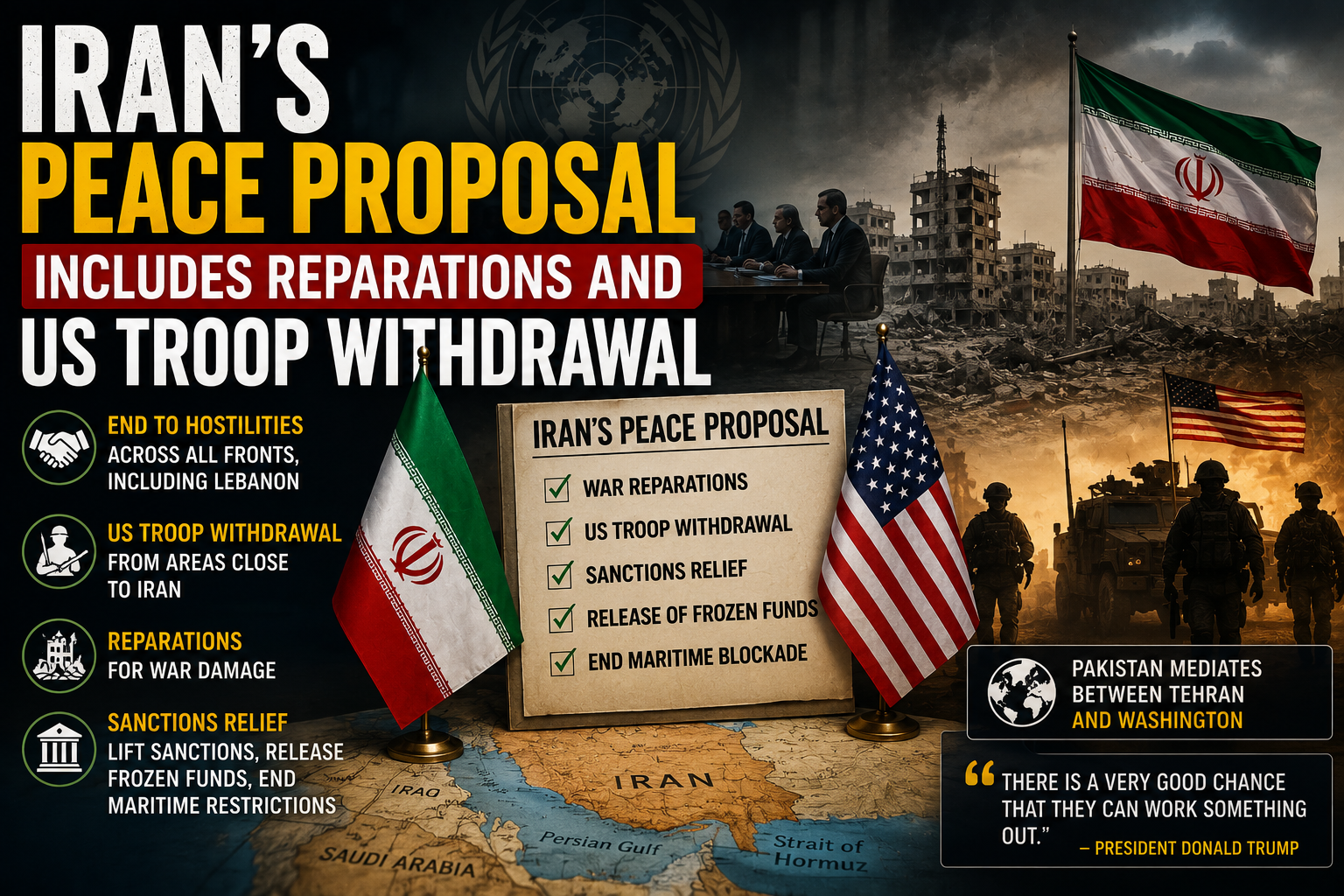
- Peace Proposal: Iran says its latest proposal to the United States includes ending hostilities across the region.
- Troop Withdrawal: Tehran is seeking the removal of U.S. forces from areas close to Iran.
- War Reparations: Iran is demanding compensation for destruction caused during the recent U.S.-Israeli conflict.
- Sanctions Relief: Tehran wants the lifting of economic sanctions, release of frozen funds, and an end to maritime restrictions.
- Diplomatic Push: Pakistan reportedly transmitted Iran’s proposal to Washington as a mediator.
- Fragile Ceasefire: The proposal comes amid a temporary pause in military escalation following U.S.-Israeli strikes.
| Issue | Iran’s Position | Context |
|---|---|---|
| U.S. troop presence | Withdrawal requested | Areas near Iran |
| War damages | Reparations sought | Recent conflict |
| Economic sanctions | Removal requested | Longstanding restrictions |
| Frozen funds | Release requested | Financial access |
| Mediator | Pakistan | Diplomatic channel |
| Regional goal | Ceasefire | Multi-front de-escalation |
Iran Outlines New Peace Demands
Iran says its latest peace proposal to the United States includes demands for reparations tied to wartime destruction, a withdrawal of U.S. troops from nearby regions, and broader economic relief measures.
Speaking through state media, Iranian Deputy Foreign Minister Kazem Gharibabadi said Tehran is seeking an end to hostilities across multiple fronts, including Lebanon, as part of a broader regional settlement.
Iran is also demanding the removal of U.S. military forces operating near its borders and compensation for damages caused during the recent conflict involving U.S. and Israeli military action.
Sanctions Relief at Center of Talks
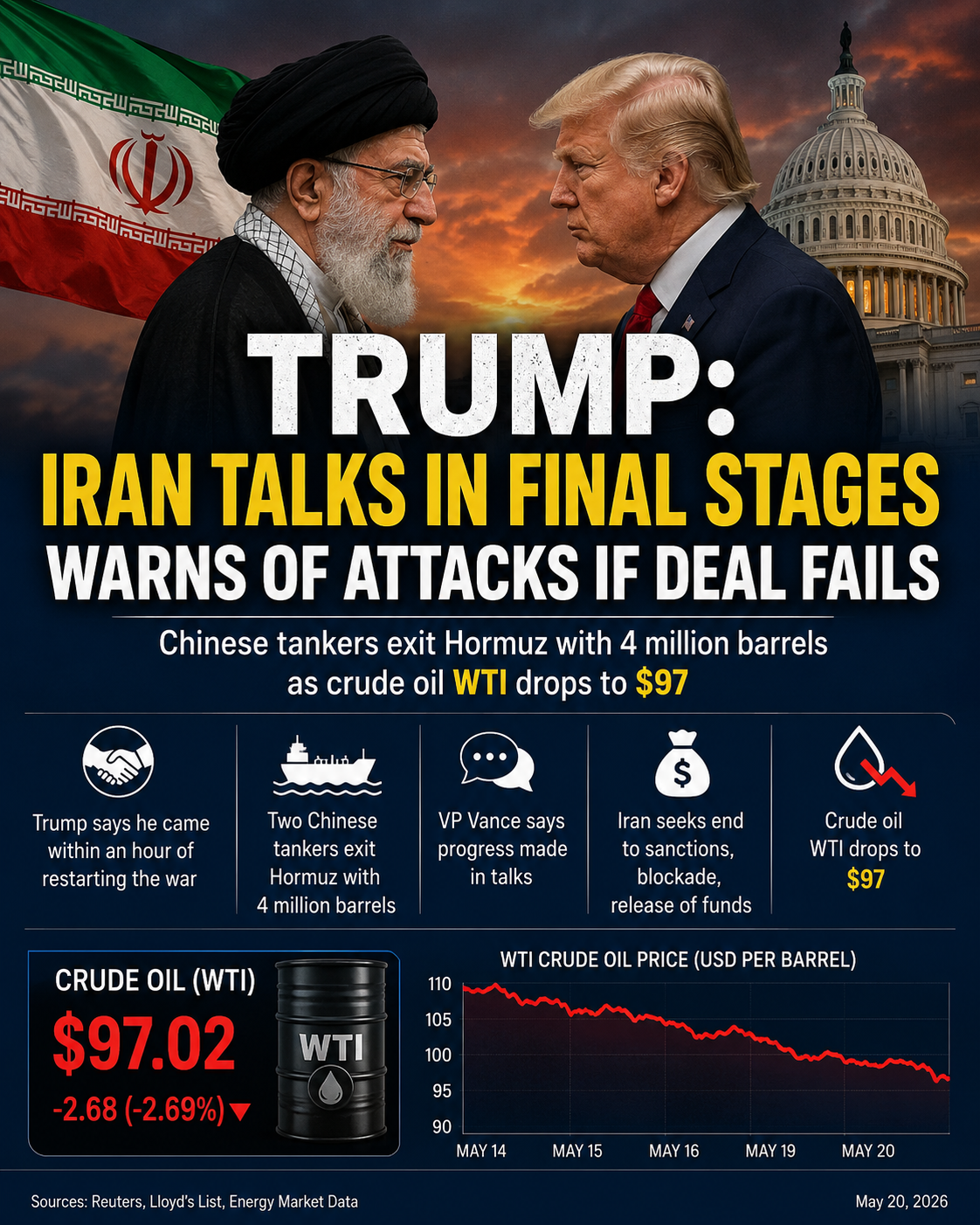
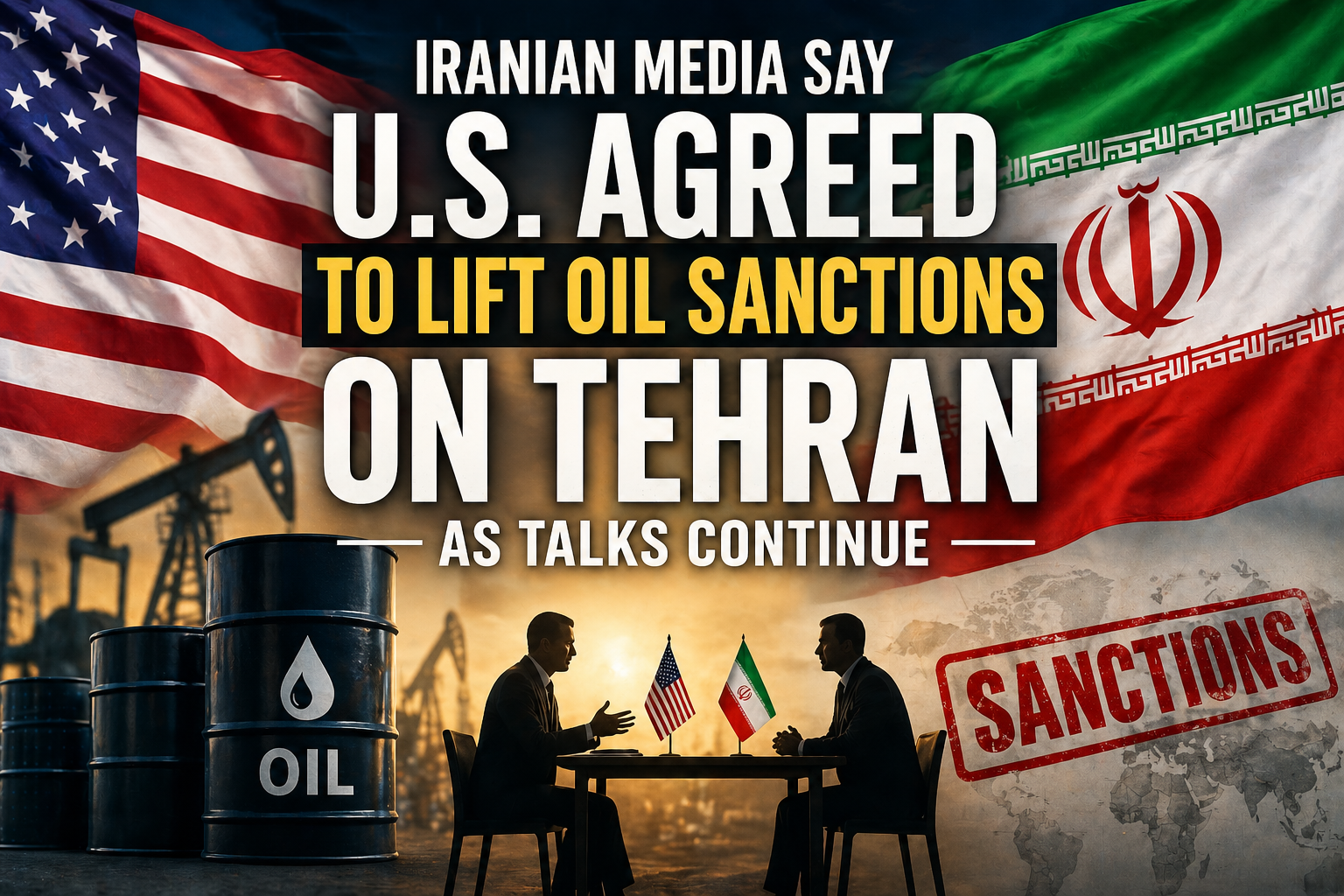
Tehran’s proposal also includes requests for the lifting of sanctions, access to frozen financial assets, and an end to maritime restrictions affecting Iranian trade.
Iranian officials argue these measures are necessary for any long-term agreement, particularly as economic pressure has intensified under Western sanctions.
According to diplomatic sources, Washington has shown limited flexibility on some issues, including access to frozen funds and nuclear oversight, while reportedly resisting broader oil sanctions relief.
Trump Signals Openness to Deal
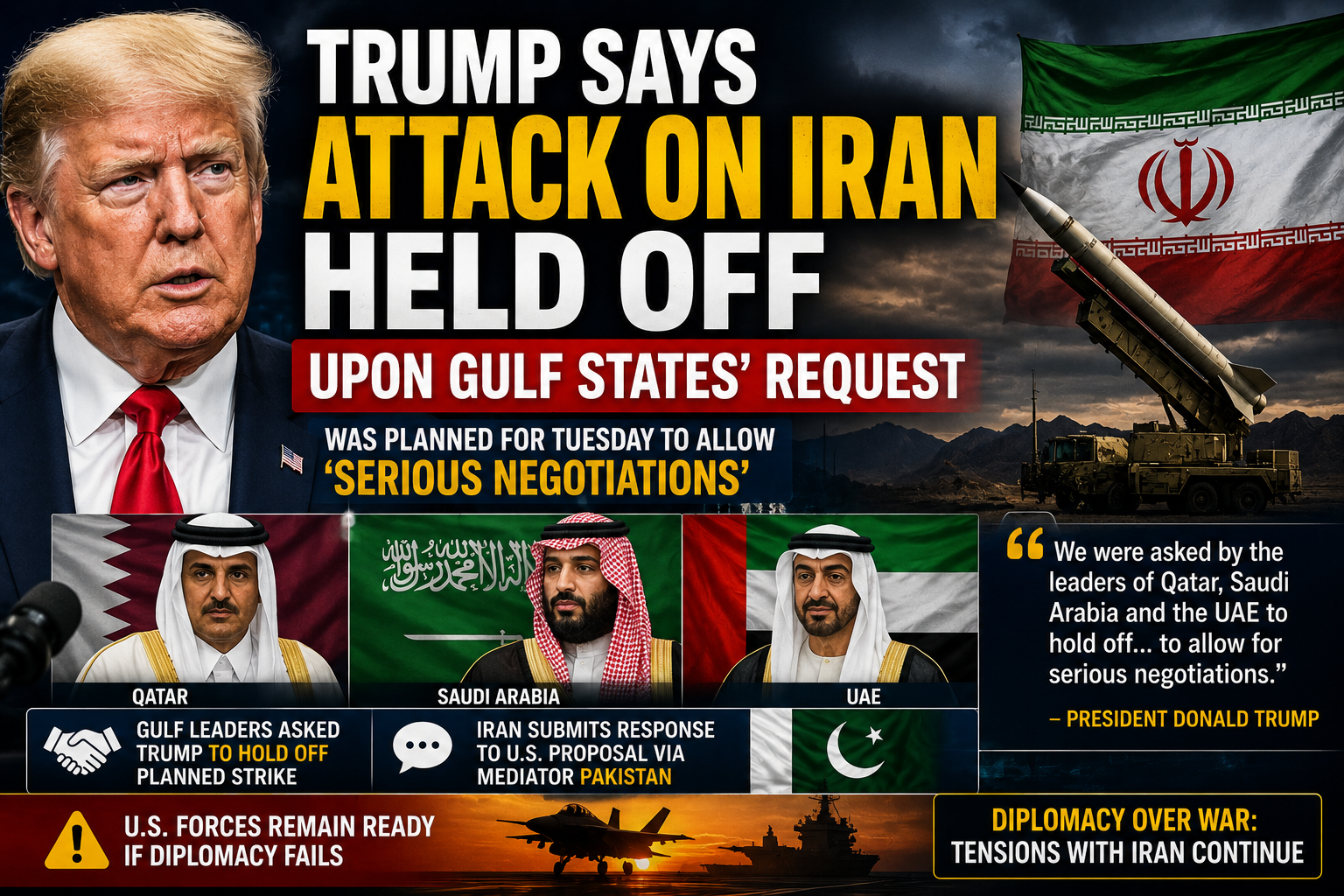
The proposal emerged after President Donald Trump said he paused a planned resumption of military strikes against Iran to allow negotiations more time.
Trump said Gulf leaders from Qatar, Saudi Arabia, and the United Arab Emirates urged Washington to delay military action, expressing optimism that a diplomatic agreement remained possible.
The White House has indicated its core objective remains preventing Iran from obtaining a nuclear weapon.
Pakistan Playing Mediator Role
Pakistan has reportedly continued to serve as an intermediary between Washington and Tehran after hosting earlier talks.
Diplomatic observers say any agreement would likely focus on nuclear restrictions, regional security, sanctions relief, and reopening stability around the Strait of Hormuz, a critical route for global energy shipments.