How conflict shapes global markets and economies
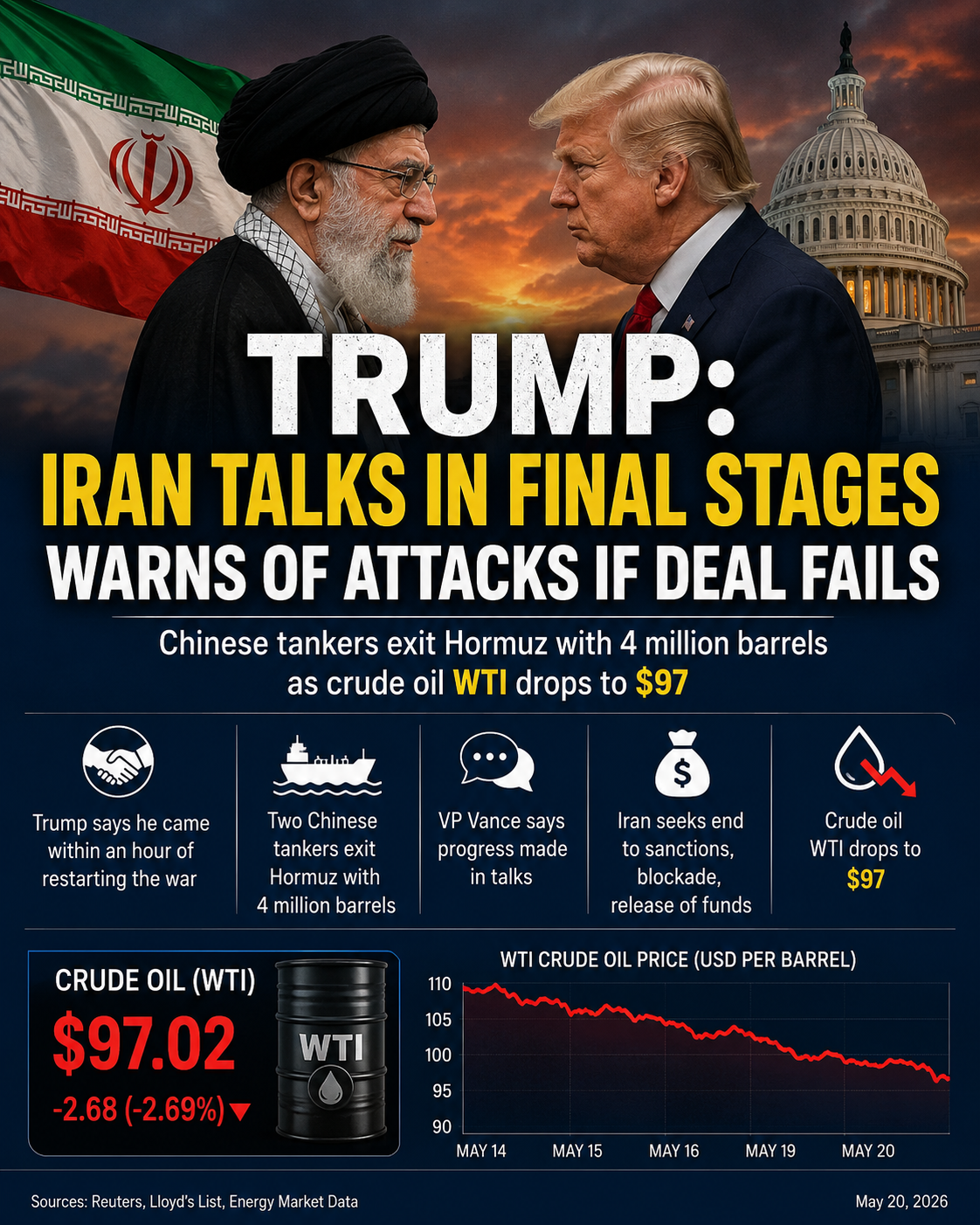
Trump says U.S.-Iran negotiations are in final stages as tensions persist, Chinese tankers cross Hormuz, and WTI crude drops to $97.
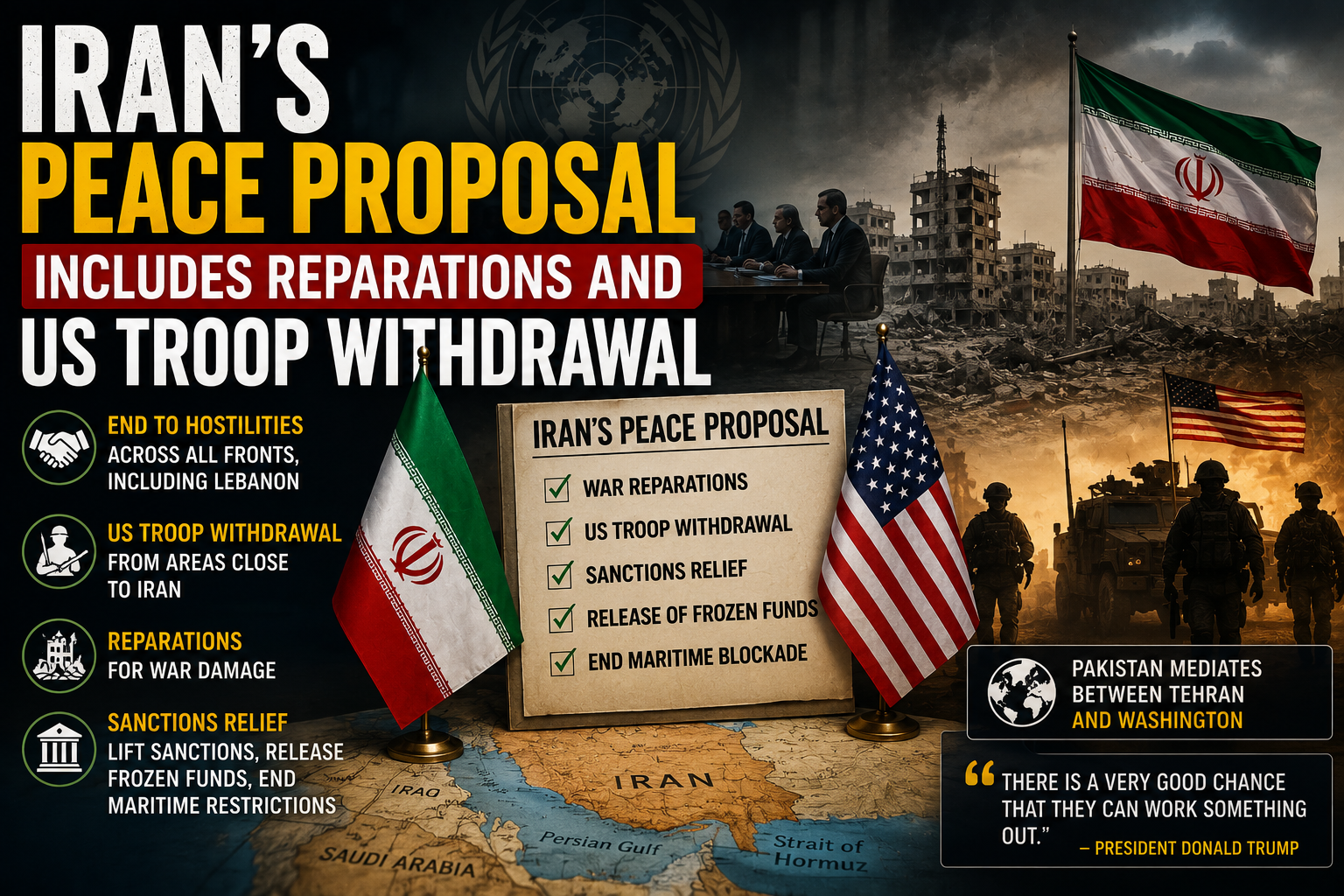
Iran says its latest peace proposal to the United States includes demands for sanctions relief, war reparations, and the withdrawal of U.S. forces from areas near its borders. The proposal comes as a fragile ceasefire holds following recent military strikes and renewed diplomatic efforts.
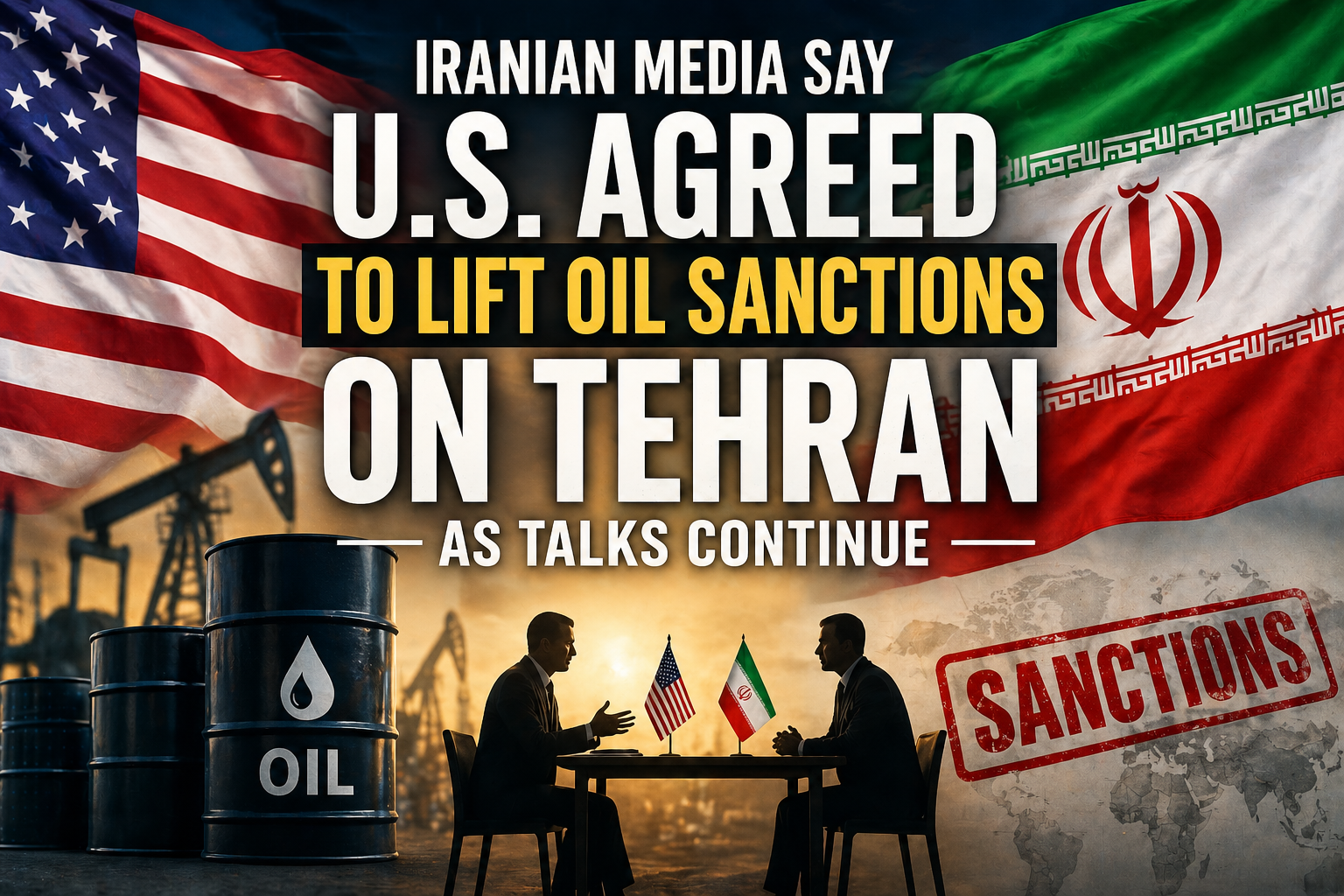
Iranian state-linked media reported that the United States has agreed to temporarily ease oil sanctions on Tehran as diplomatic negotiations continue, though Washington has not officially confirmed the claim.
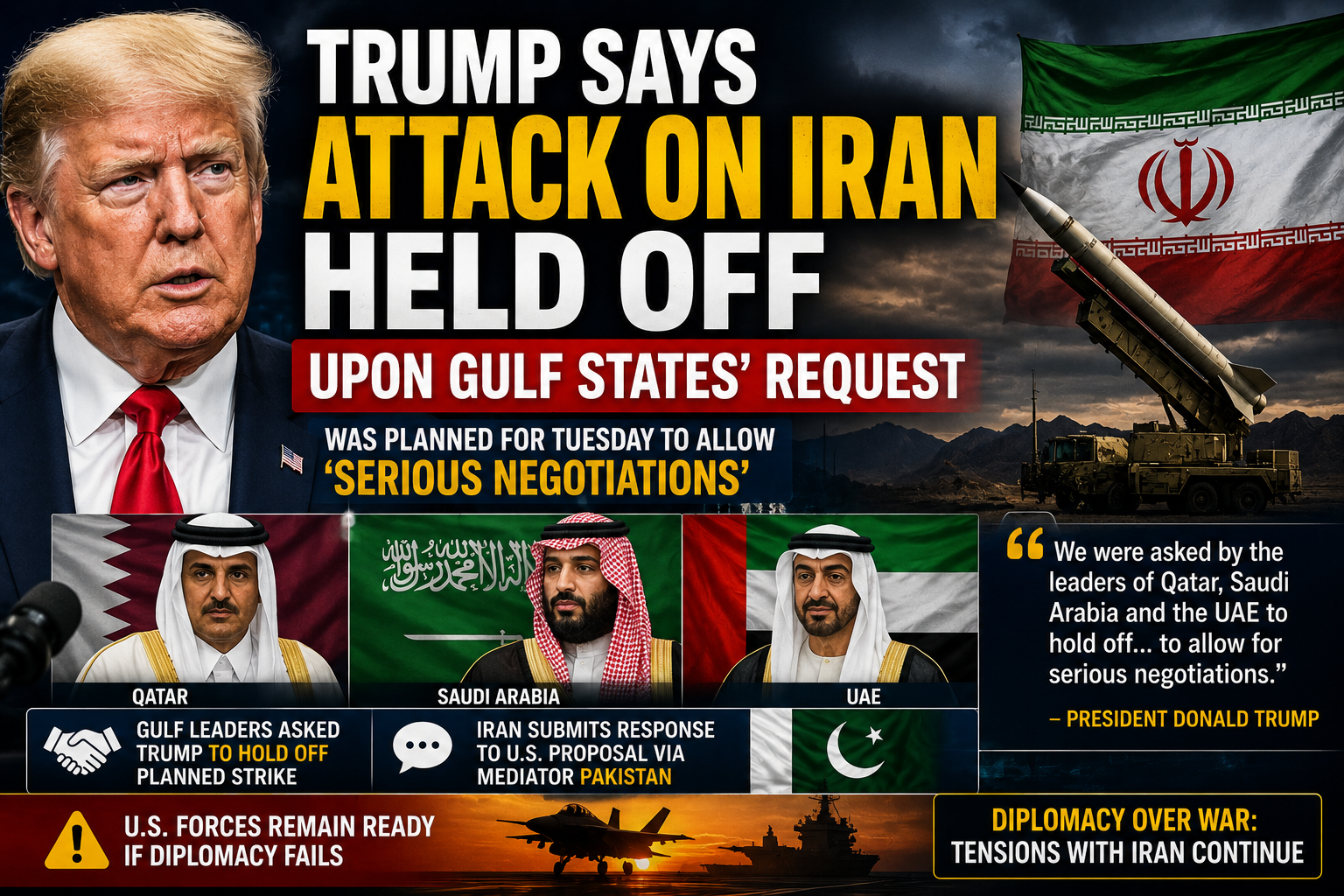
President Donald Trump said the United States postponed a planned military strike on Iran after Gulf leaders urged Washington to allow more time for negotiations. The pause comes as Tehran reportedly submitted a response to a U.S. proposal through Pakistan.
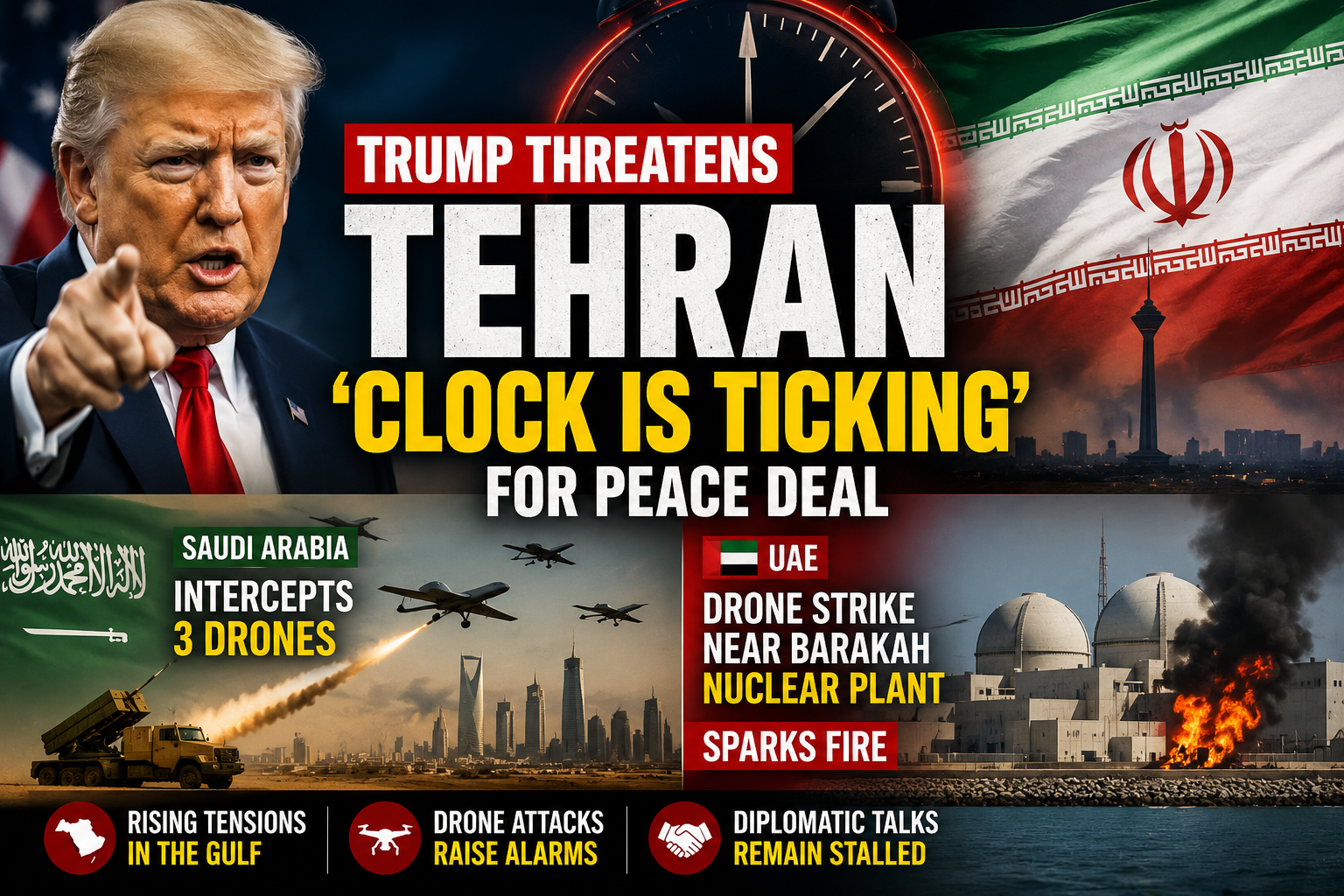
U.S. President Donald Trump has intensified pressure on Tehran, warning that time is running out for a peace agreement with Washington. The remarks came as Saudi Arabia and the UAE reported fresh drone incidents, adding to concerns over Gulf security.
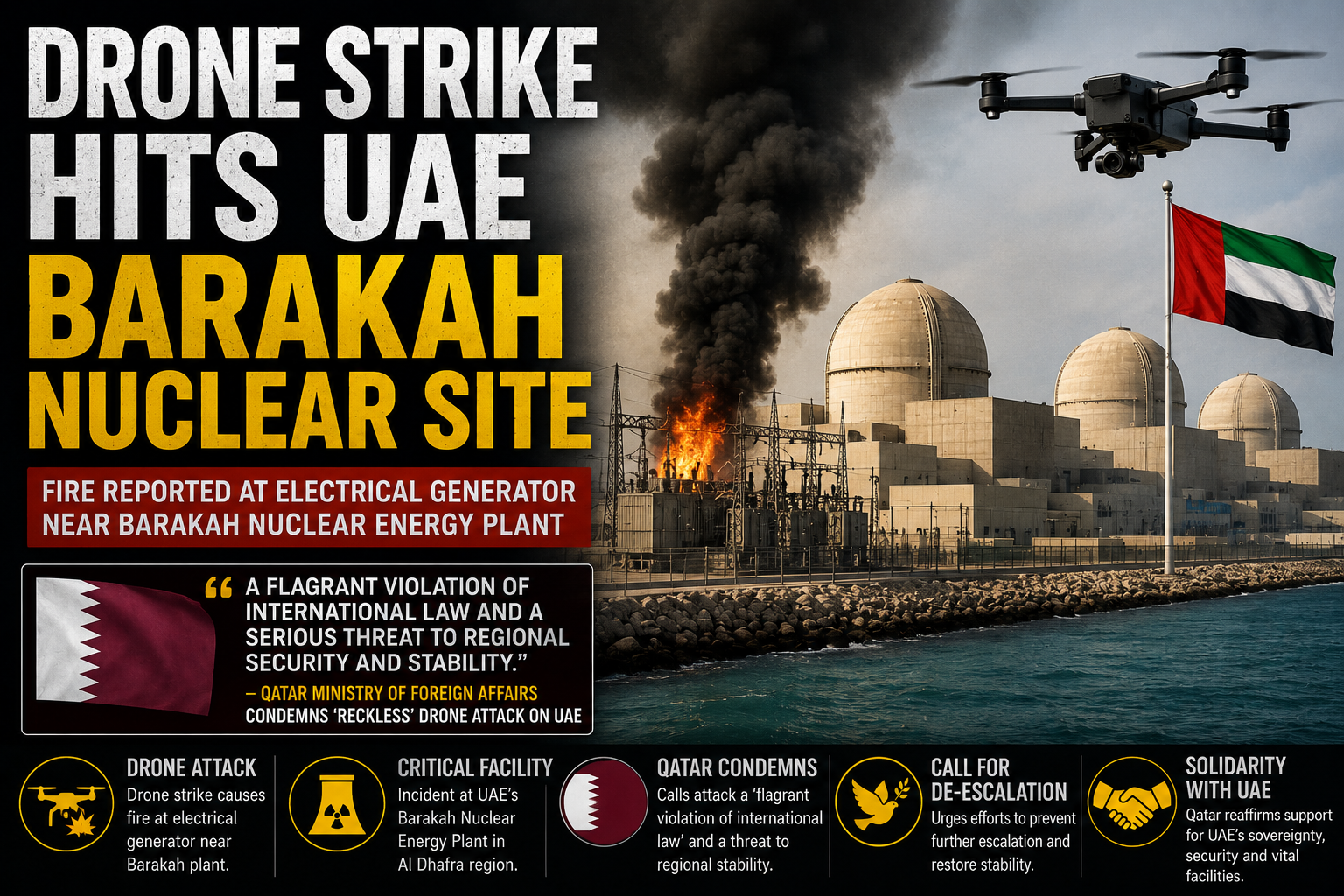
A drone strike caused a fire at an electrical generator near the Barakah Nuclear Energy Plant in the United Arab Emirates, escalating regional tensions and drawing condemnation from Qatar. Officials warned the incident raises new concerns over attacks on critical infrastructure.
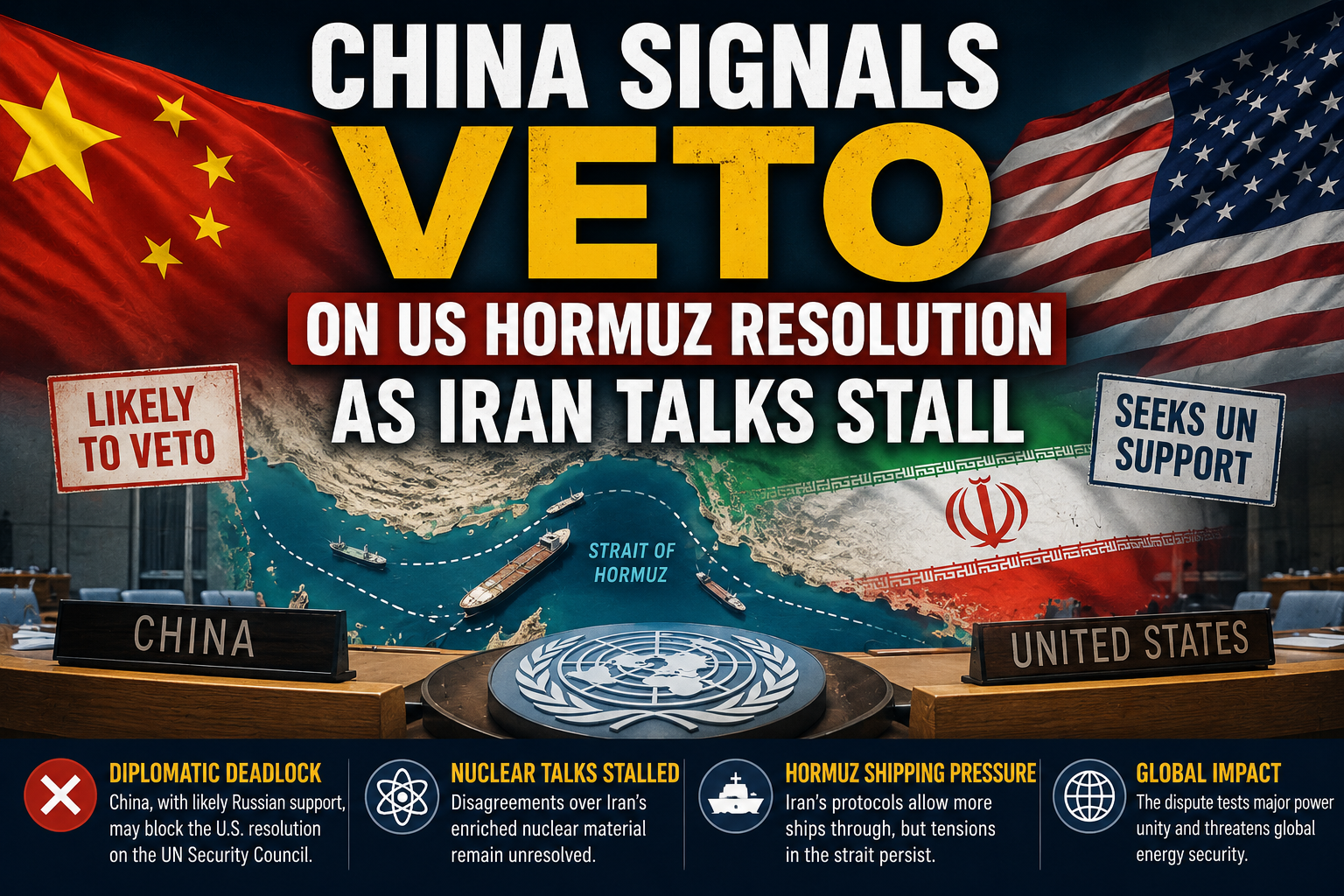
China is signaling resistance to a U.S.-backed United Nations resolution over the Strait of Hormuz, raising the prospect of a diplomatic deadlock as negotiations with Iran over nuclear issues remain unresolved. The dispute highlights widening divisions among major powers over how to manage tensions in the Gulf.
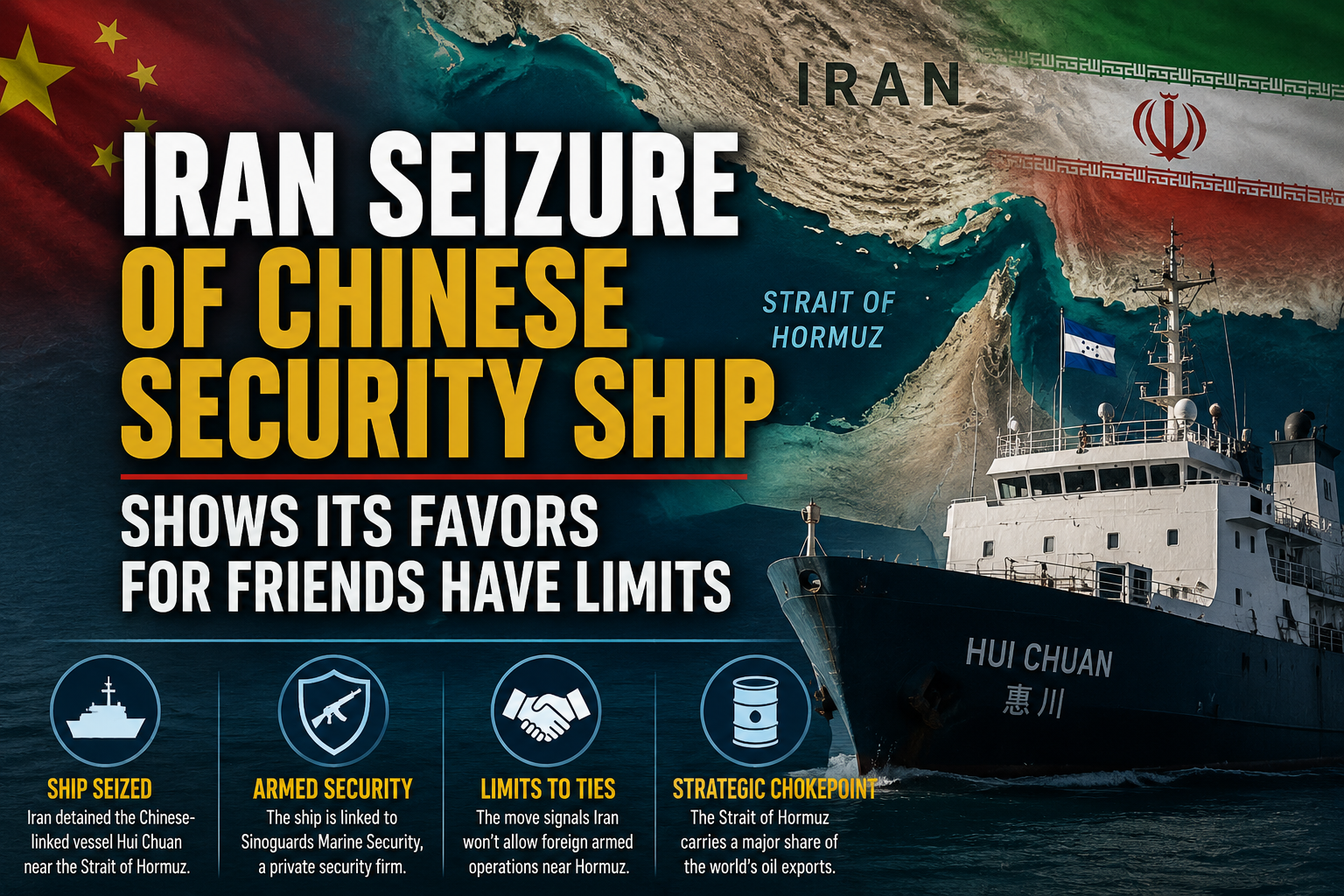
Iran detained a support ship linked to a Chinese maritime security firm near the Strait of Hormuz, highlighting Tehran’s reluctance to allow armed private protection in one of the world’s most sensitive oil transit corridors. The move comes despite China’s close economic and diplomatic relationship with Iran.
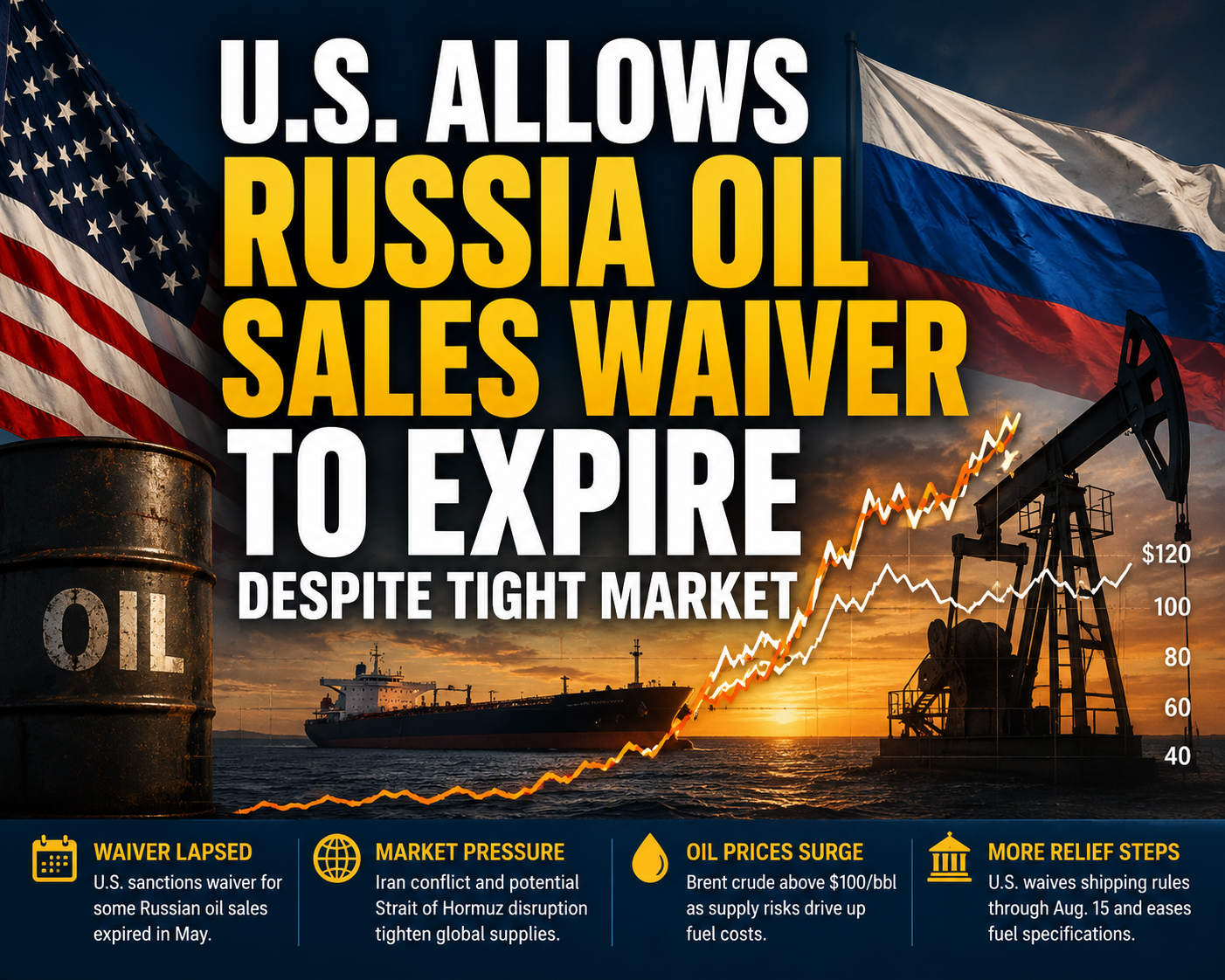
The Trump administration allowed a temporary waiver easing restrictions on some Russian oil sales to expire, even as the Iran conflict fuels supply concerns and rising energy prices. The move comes amid pressure from allies and oil-importing nations seeking market stability.
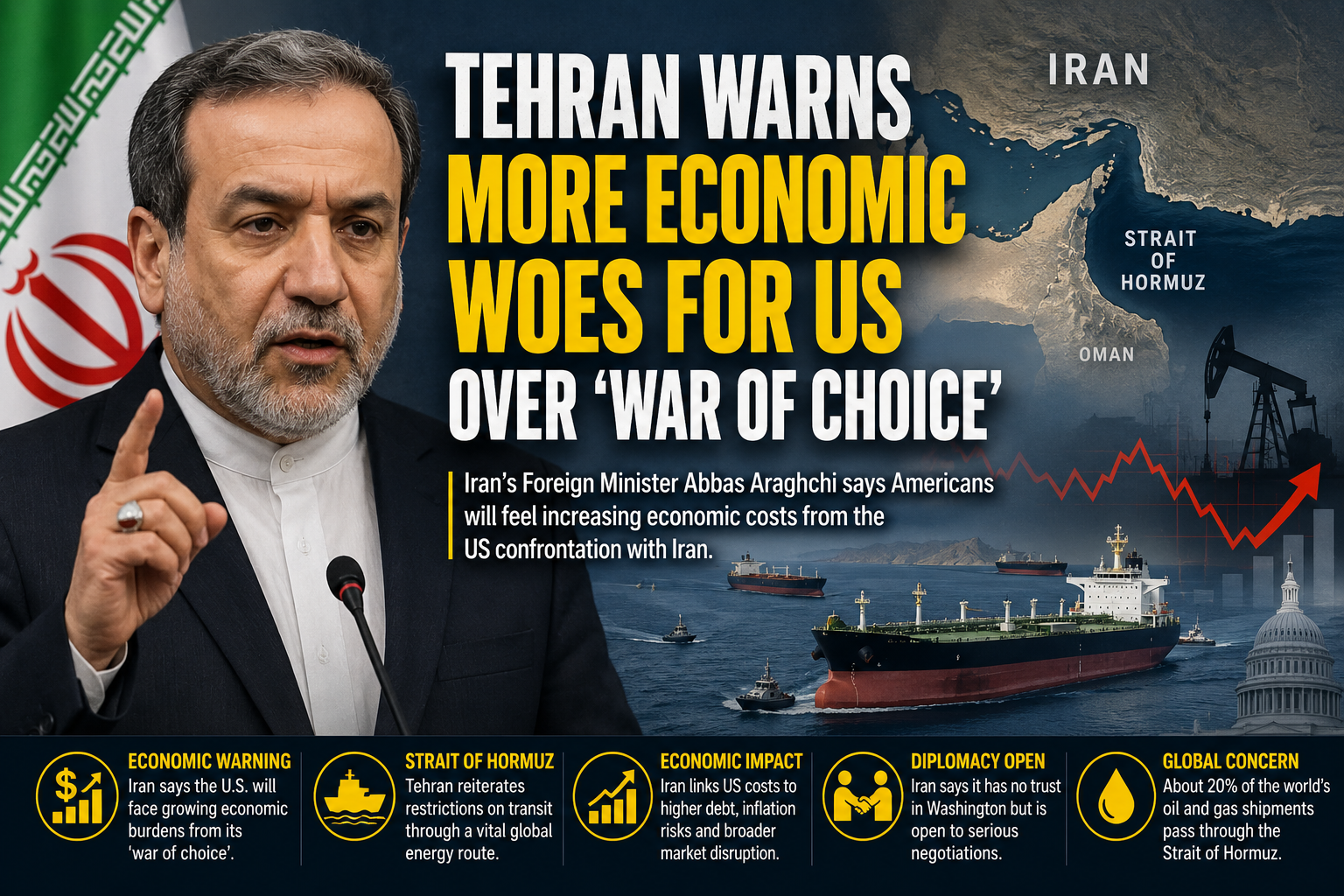
Iran’s foreign minister warned the U.S. faces worsening economic consequences from its “war of choice” as tensions over the Strait of Hormuz continue.
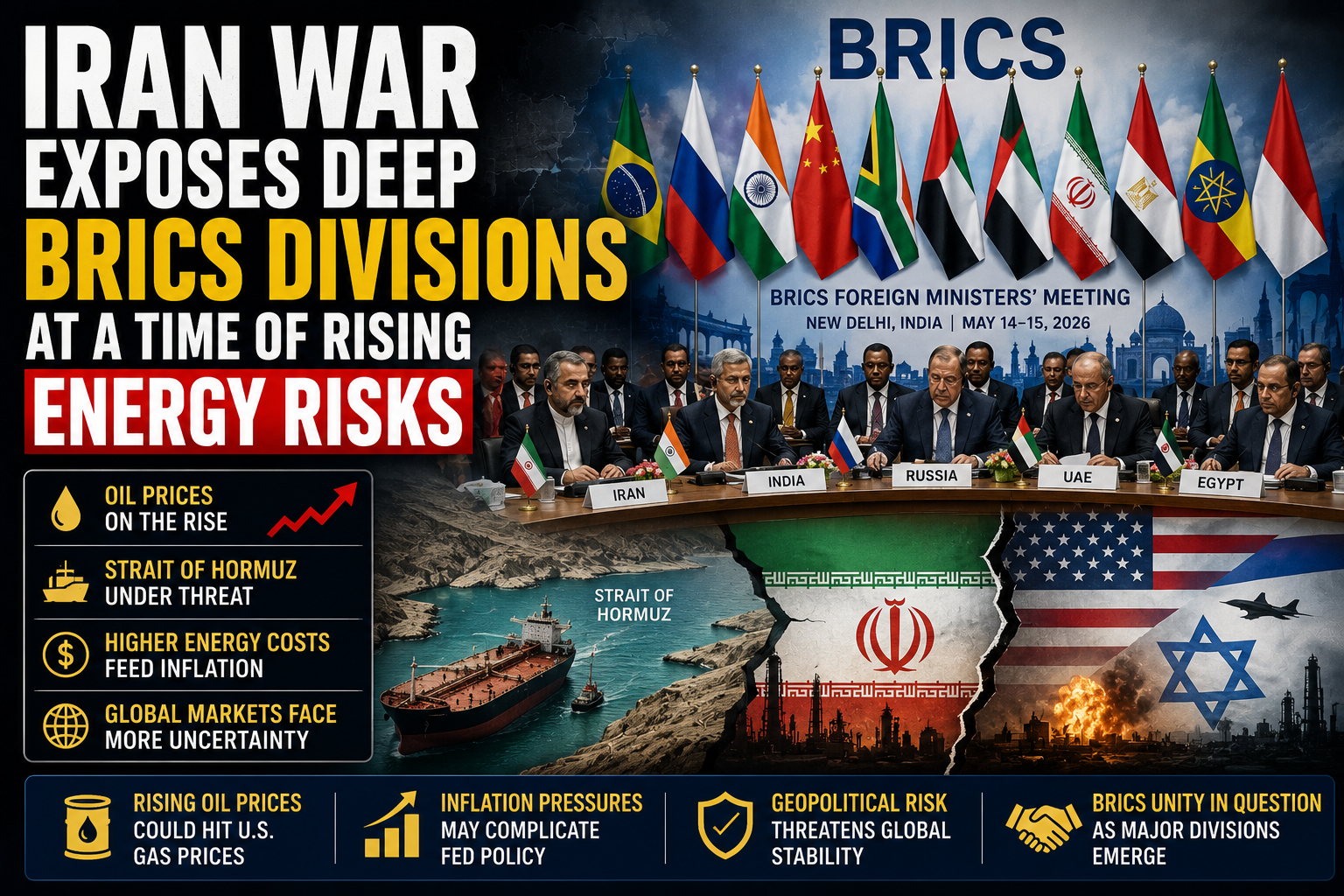
The Iran conflict is exposing deep divisions inside BRICS as rising oil prices, Strait of Hormuz tensions, and geopolitical risks pressure global markets.
Trump says stopping Iran from obtaining a nuclear weapon outweighs Americans’ economic struggles amid rising inflation and war concerns.
U.S. Treasury yields climbed as inflation hit a three-year high and rising energy costs fueled concerns over prolonged higher interest rates.
U.S. inflation climbed to a nearly three-year high in April as gasoline prices surged, raising doubts about Federal Reserve rate cuts.
Reports say the UAE carried out covert military strikes on Iran, including an alleged attack on an oil refinery at Lavan Island.
Saudi Arabia’s hesitation on the IMEC corridor complicates U.S.-Israel plans to link Asia and Europe through the Middle East.
U.S. soldier accused of using classified intel to win $400K on Polymarket bets tied to Maduro’s capture faces federal charges.
Oil tops $106 per barrel as U.S.-Iran tensions disrupt shipping in the Strait of Hormuz, shaking global markets.
Viral claims that Iran demanded $11 trillion to reopen the Strait of Hormuz remain unverified amid ongoing regional tensions.
Indonesian rupiah hits record low of 17,315 per dollar as oil prices surge, pressuring Asian currencies amid geopolitical tensions.