NEW YORK, April 13 —
- Market Decline: Major U.S. indexes fell after negotiations between the U.S. and Iran failed to produce a peace deal.
- Dow Jones: The Dow Jones Industrial Average dropped 0.72% during Monday trading.
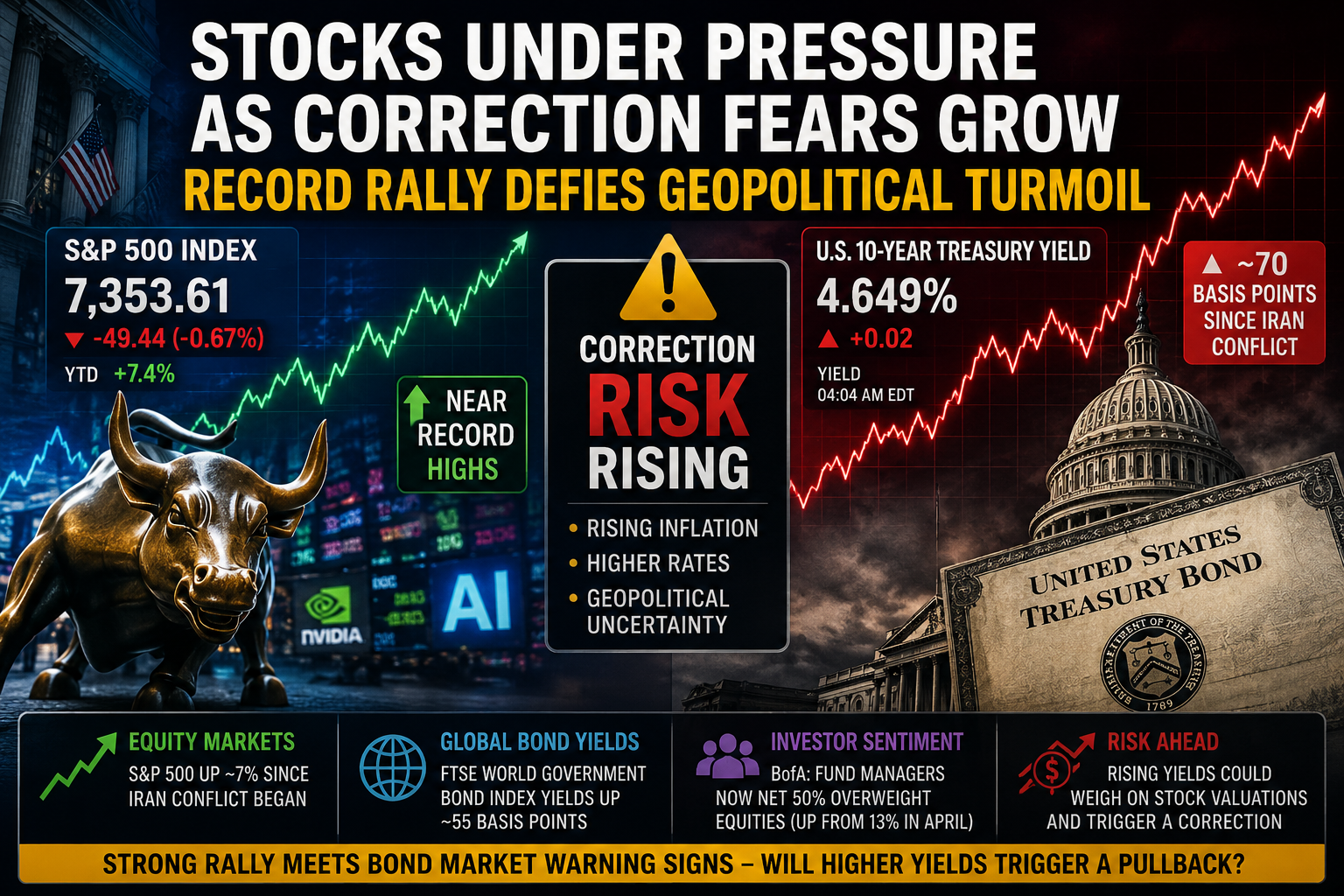
- S&P 500: The S&P 500 slipped 0.33%, reflecting broader market caution.
- Nasdaq: The Nasdaq Composite declined 0.36%.
- Volatility Rising: The CBOE Volatility Index (VIX) climbed to 20.61, signaling rising investor anxiety.
| Indicator | Figure | Context |
|---|---|---|
| Dow Jones change | -0.72% | Market reaction to geopolitical tensions |
| S&P 500 change | -0.33% | Broad U.S. market index decline |
| Nasdaq change | -0.36% | Tech-heavy index movement |
| VIX level | 20.61 | Measure of market volatility |
Geopolitical Tensions Weigh on Markets
U.S. stock markets slipped Monday after talks between Washington and Tehran failed to deliver a deal to end the ongoing conflict.
Investors had hoped the negotiations might lead to a breakthrough that could stabilize global energy markets and reduce geopolitical risk.
Instead, the lack of progress renewed concerns that tensions could persist, undermining the recent rebound in equities.
Naval Blockade Adds to Uncertainty
Market sentiment was further pressured by the U.S. military’s announcement of a blockade targeting maritime traffic entering or leaving Iranian ports.
The move is intended to increase economic pressure on Tehran but also raises fears of further disruptions to global oil supplies.
Volatility Index Climbs
The CBOE Volatility Index, often referred to as the market’s “fear gauge,” rose to 20.61 as investors sought protection against potential market swings.
Analysts say uncertainty surrounding the conflict could keep markets volatile in the near term.
Mixed Corporate Moves
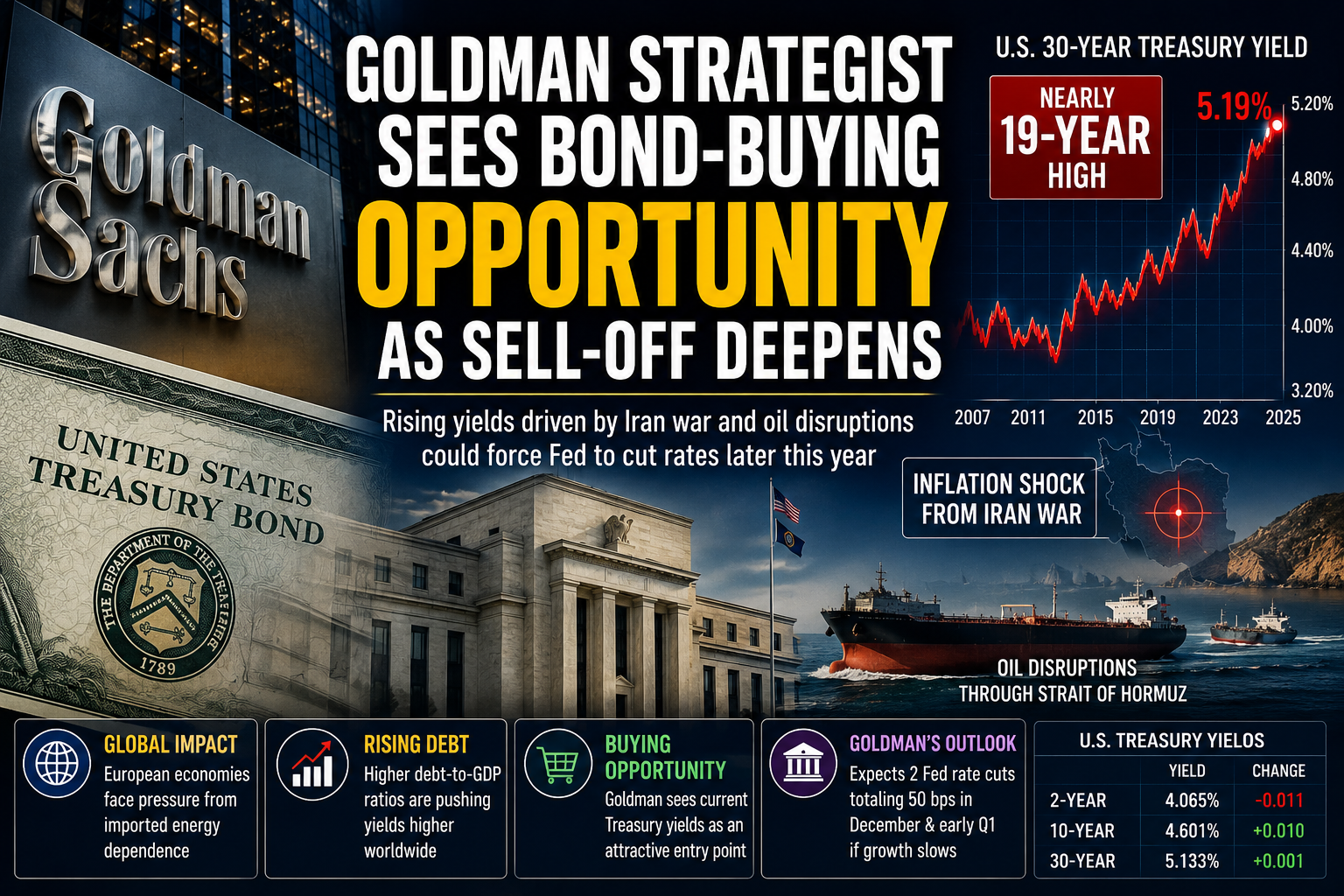
Individual stocks also reacted to company-specific news. Goldman Sachs shares fell after the bank reported earnings, while storage technology company Sandisk gained after being added to the Nasdaq-100 index.
Market strategists say investors remain cautious as geopolitical developments continue to shape the outlook for equities and energy markets.