DUBAI/WASHINGTON, May 20 —
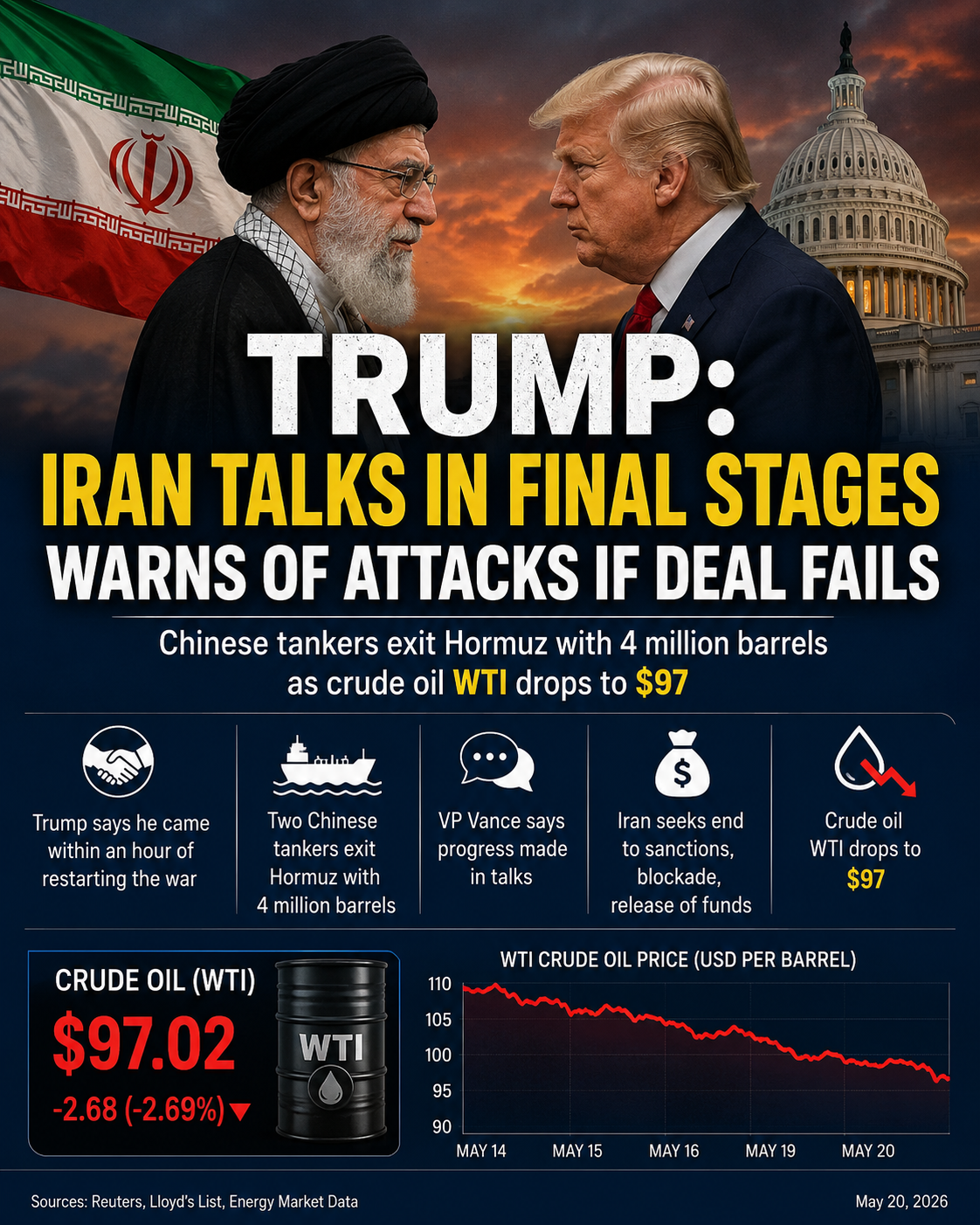
- Negotiations: President Donald Trump said U.S.-Iran negotiations are in their “final stages.”
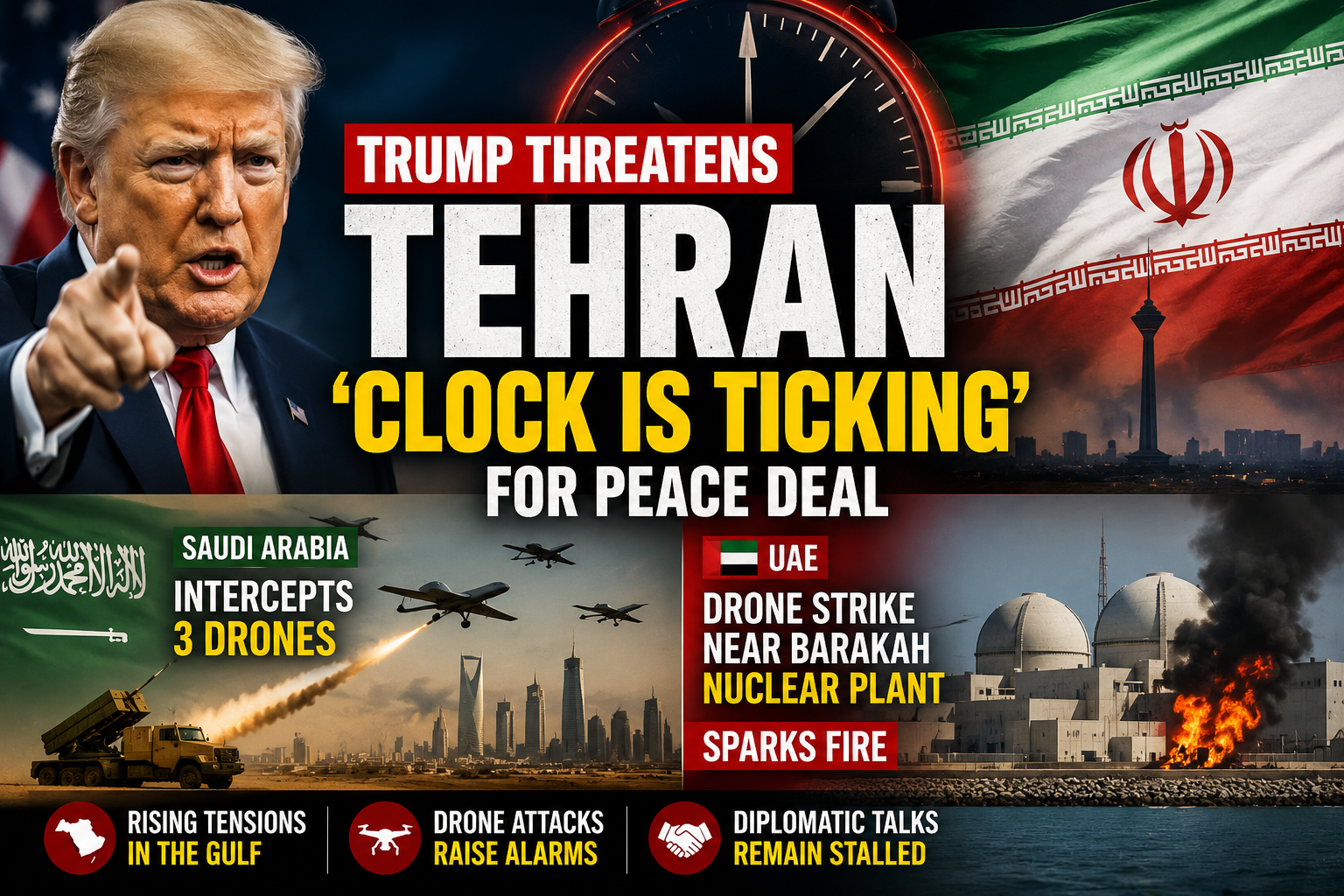
- Military Warning: Trump warned of “nasty” consequences if diplomacy fails, while saying he prefers a peaceful outcome.
- Chinese Tankers: Two Chinese supertankers carrying roughly 4 million barrels of crude exited the Strait of Hormuz.
- Oil Market: WTI crude dropped to around $97 per barrel, while Brent crude eased near $108 per barrel.
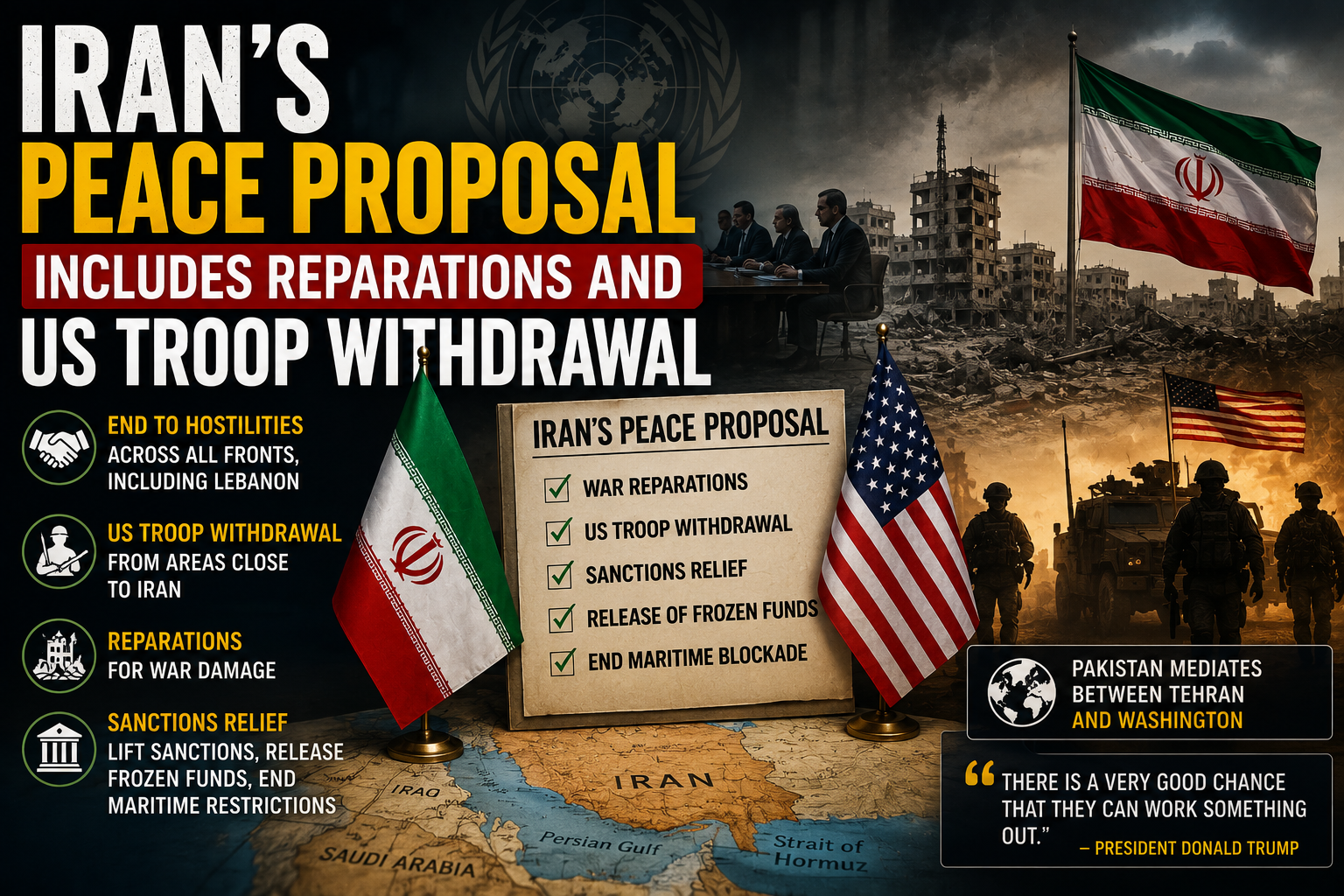
- Iran’s Demands: Tehran continues seeking sanctions relief, access to frozen funds, and an end to trade restrictions.
- Shipping Activity: Around 54 ships crossed Hormuz last week, compared with normal traffic of roughly 140 ships daily before the conflict.
- Diplomatic Push: Pakistan continued mediation efforts with senior officials engaged in regional diplomacy.
| Metric | Value | Context |
|---|---|---|
| WTI Crude Oil | $97 per barrel | U.S. benchmark crude price |
| Brent Crude | $108 per barrel | Global benchmark crude |
| Chinese Tankers | 2 | Ships exiting Hormuz |
| Oil Cargo | 4 million barrels | Combined tanker capacity |
| Ships Crossing Hormuz (Last Week) | 54 | Weekly transit estimate |
| Typical Daily Hormuz Traffic (Pre-War) | 140 | Normal shipping average |
| Ceasefire Duration | 6 weeks | Since military pause |
Trump Signals Diplomacy but Keeps Military Pressure
President Donald Trump said Wednesday that negotiations between Washington and Tehran were approaching a critical stage, while warning that the United States could pursue additional military measures if talks fail.
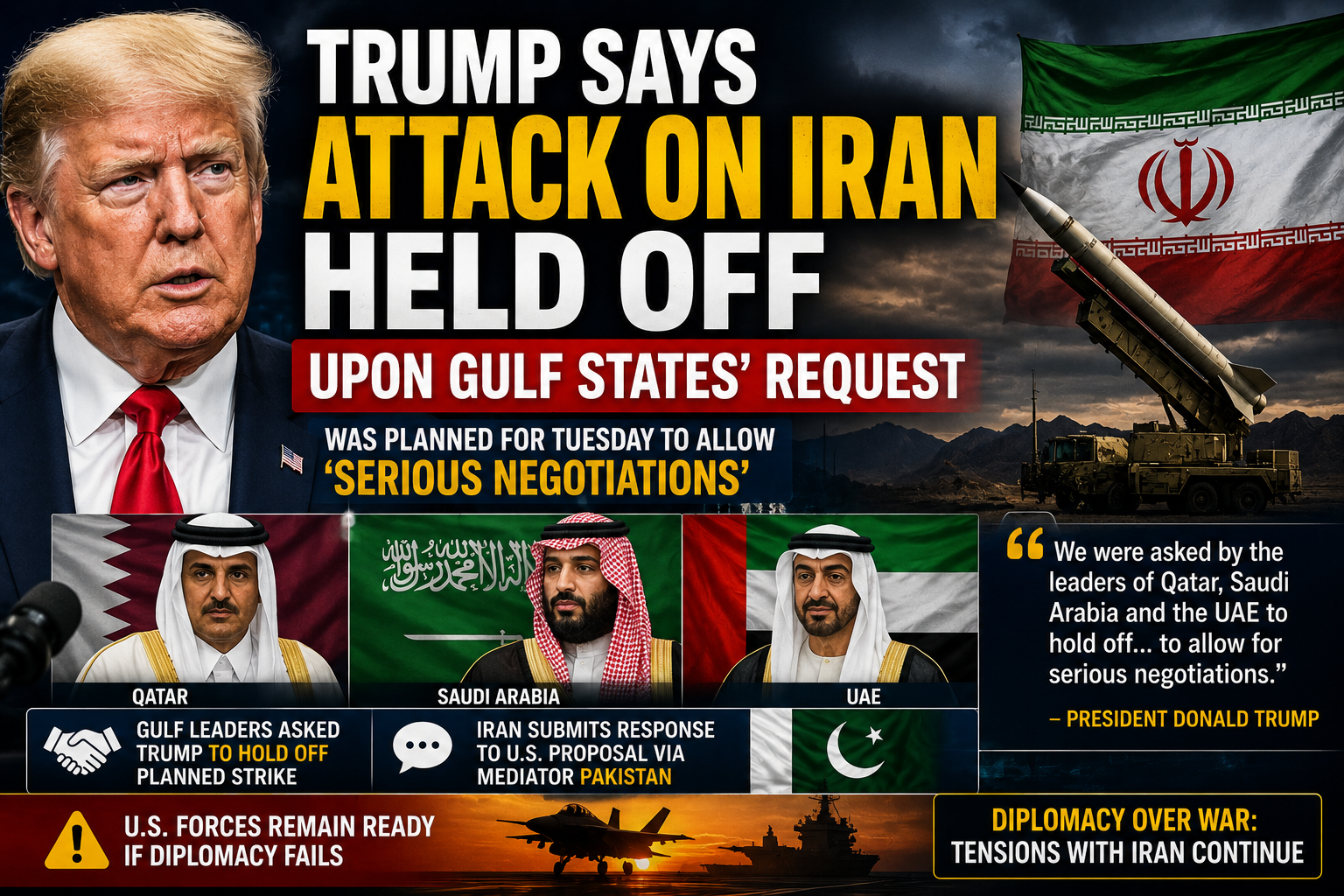
Speaking to reporters, Trump said his administration was willing to give diplomacy more time but suggested force remained an option if a breakthrough could not be reached. He added that he had recently paused plans for renewed military action to allow negotiations to continue.
The comments come roughly six weeks after a ceasefire paused hostilities tied to Operation Epic Fury, a U.S.-Israeli military campaign targeting Iran.
Iran Warns Against Renewed Conflict
Iranian officials responded with warnings of retaliation if military operations resume. Statements from the Islamic Revolutionary Guard Corps suggested any renewed attacks could widen instability beyond the Middle East.
Iranian leaders also accused Washington of preparing for additional strikes while publicly continuing diplomatic discussions. Tehran has maintained that any agreement must include broad sanctions relief, access to frozen financial assets, and the easing of economic restrictions.
Strait of Hormuz Shipping Shows Signs of Recovery
Limited shipping activity resumed through the Strait of Hormuz, a vital global oil route that has faced severe disruptions during the conflict.
Two Chinese tankers — identified as Yuan Gui Yang and Ocean Lily — carrying a combined 4 million barrels of crude oil exited the strait Wednesday after Iran eased restrictions for certain vessels.
Shipping activity remains far below pre-conflict levels, though monitoring firms reported an increase in vessel movement compared with previous weeks.
Oil Markets React to Diplomatic Uncertainty
Energy markets remained volatile as investors weighed the possibility of either a diplomatic agreement or renewed military escalation.
Benchmark WTI crude oil fell to around $97 per barrel, while Brent crude traded near $108, reflecting shifting expectations around supply disruptions and regional security risks.
Analysts said market sentiment continues to swing sharply as U.S. messaging alternates between optimism over diplomacy and warnings of potential strikes.
Political Pressure Builds Ahead of Elections
Trump faces growing political pressure to stabilize energy markets as elevated fuel prices remain a concern for voters ahead of congressional elections later this year.
While the White House has emphasized diplomacy, uncertainty around Iran’s nuclear program, regional influence, and shipping access through Hormuz continues to shape negotiations.