NEW DELHI, May 15 —
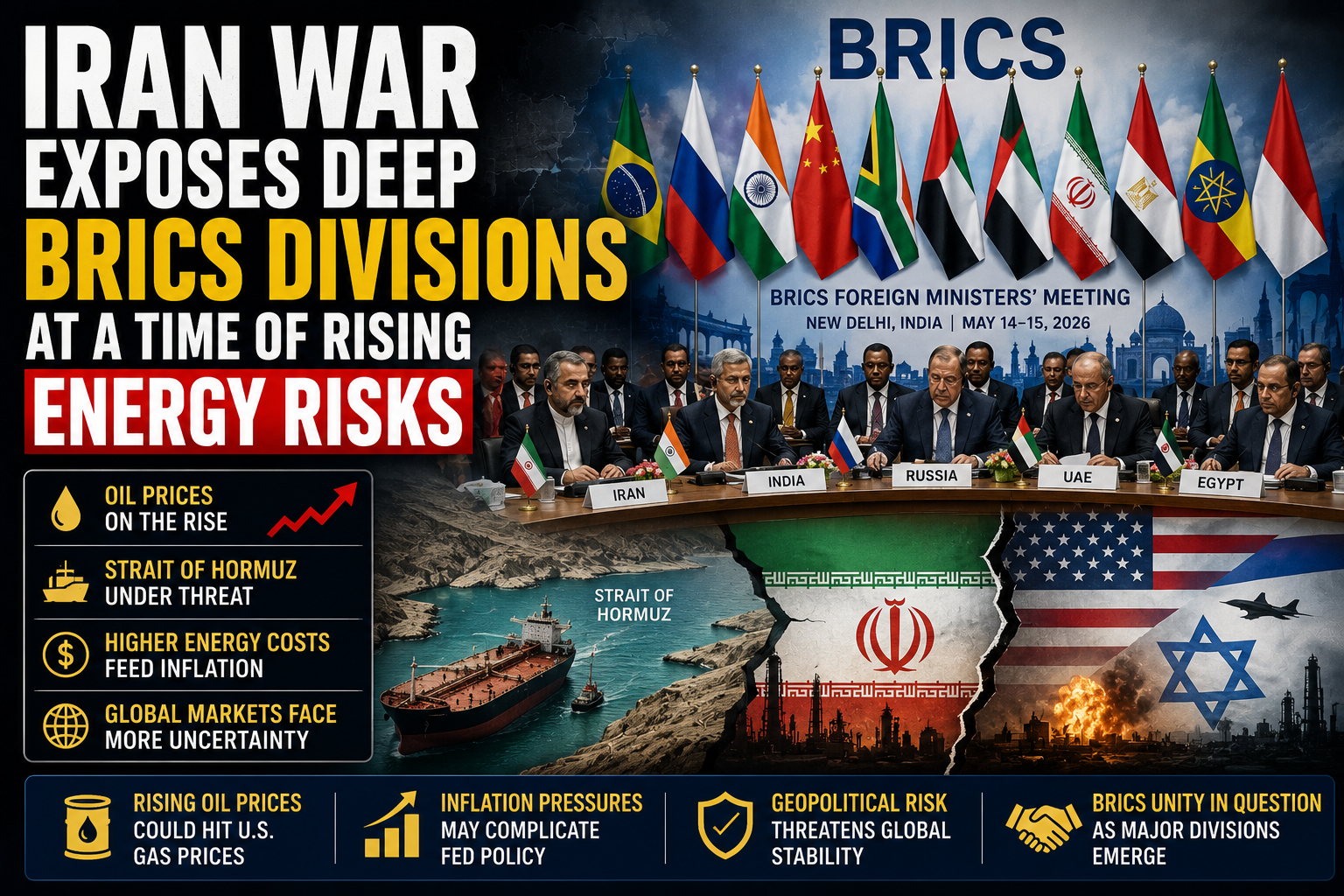
- No BRICS Consensus: Foreign ministers from BRICS nations ended talks in India without a joint position on the Iran conflict.
- Second Failed Attempt: It marks the second consecutive BRICS meeting unable to produce a unified statement on the war.
- Oil Market Risks: The closure of the Strait of Hormuz and regional tensions have contributed to higher global energy prices.
- Internal Divide: Iran and the United Arab Emirates (UAE) publicly clashed during discussions, highlighting competing interests inside the bloc.
- Global Stakes: Rising oil prices and supply disruptions could intensify inflation pressures and affect U.S. consumers through higher fuel costs.
| Metric | Value | Context |
|---|---|---|
| BRICS Members | 10 | Expanded economic bloc |
| Failed Consensus Meetings | 2 | Consecutive Iran-related meetings |
| Iran Conflict Duration | 77 Days | Ongoing regional war |
| Strait of Hormuz | Major Global Route | Critical oil shipping corridor |
| Key Economic Risk | Higher Energy Prices | Inflation and fuel costs |
BRICS Struggles to Speak With One Voice on Iran
A major meeting of BRICS foreign ministers in India ended without a common position on the Iran conflict, revealing growing fractures inside a bloc that has increasingly positioned itself as a counterweight to Western influence.
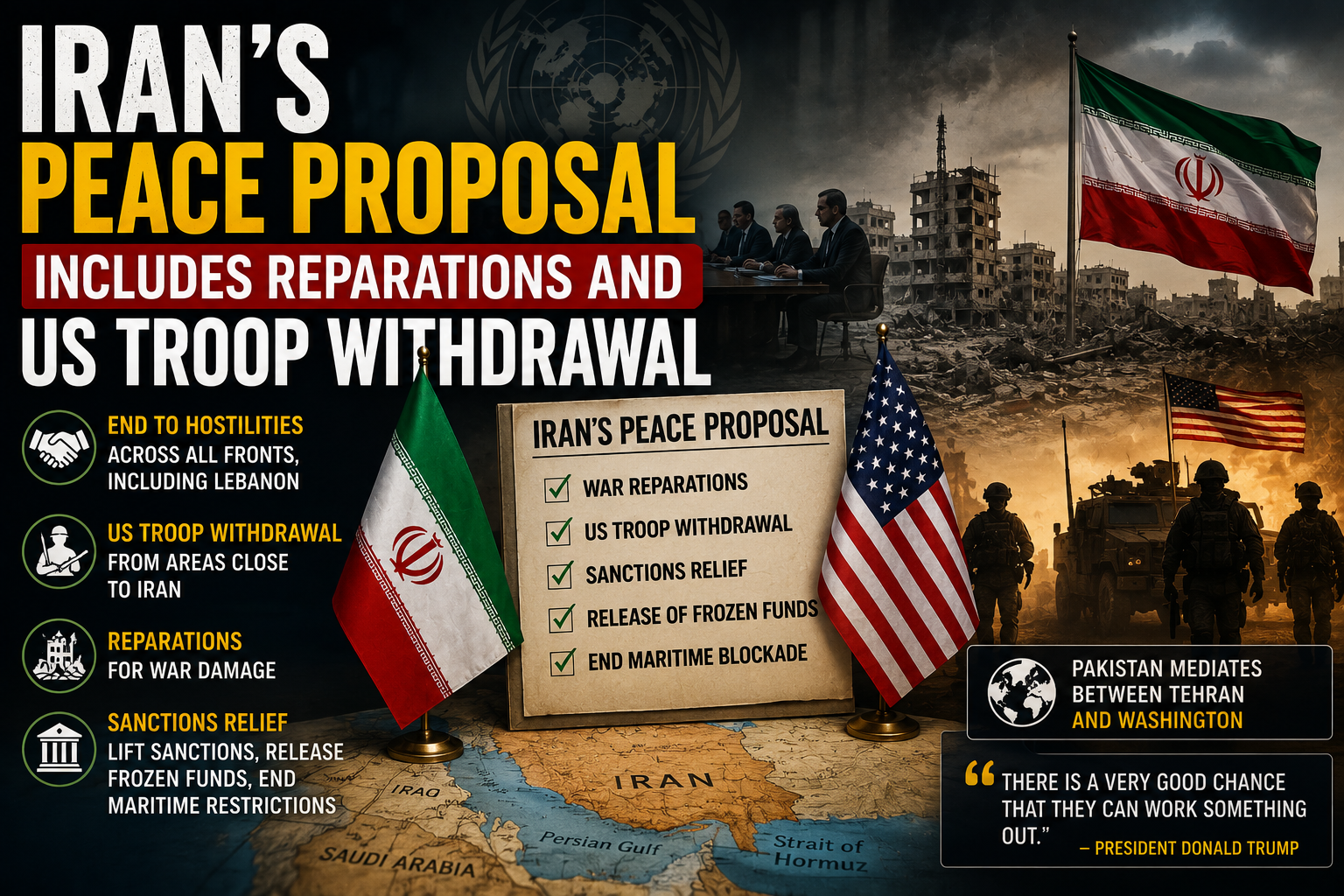
The two-day gathering in New Delhi exposed disagreements between member nations over how to respond to the ongoing conflict involving Iran, the United States, and Israel, with diplomats ultimately unable to agree on language for a unified statement.
Instead of taking a clear position, the final outcome document acknowledged that member countries held “differing views” on the crisis.
Iran and UAE Clash Highlights Internal Tensions
The sharpest divide emerged between Iran and the United Arab Emirates, both now members of the expanded BRICS bloc despite standing on opposite sides of the regional conflict.
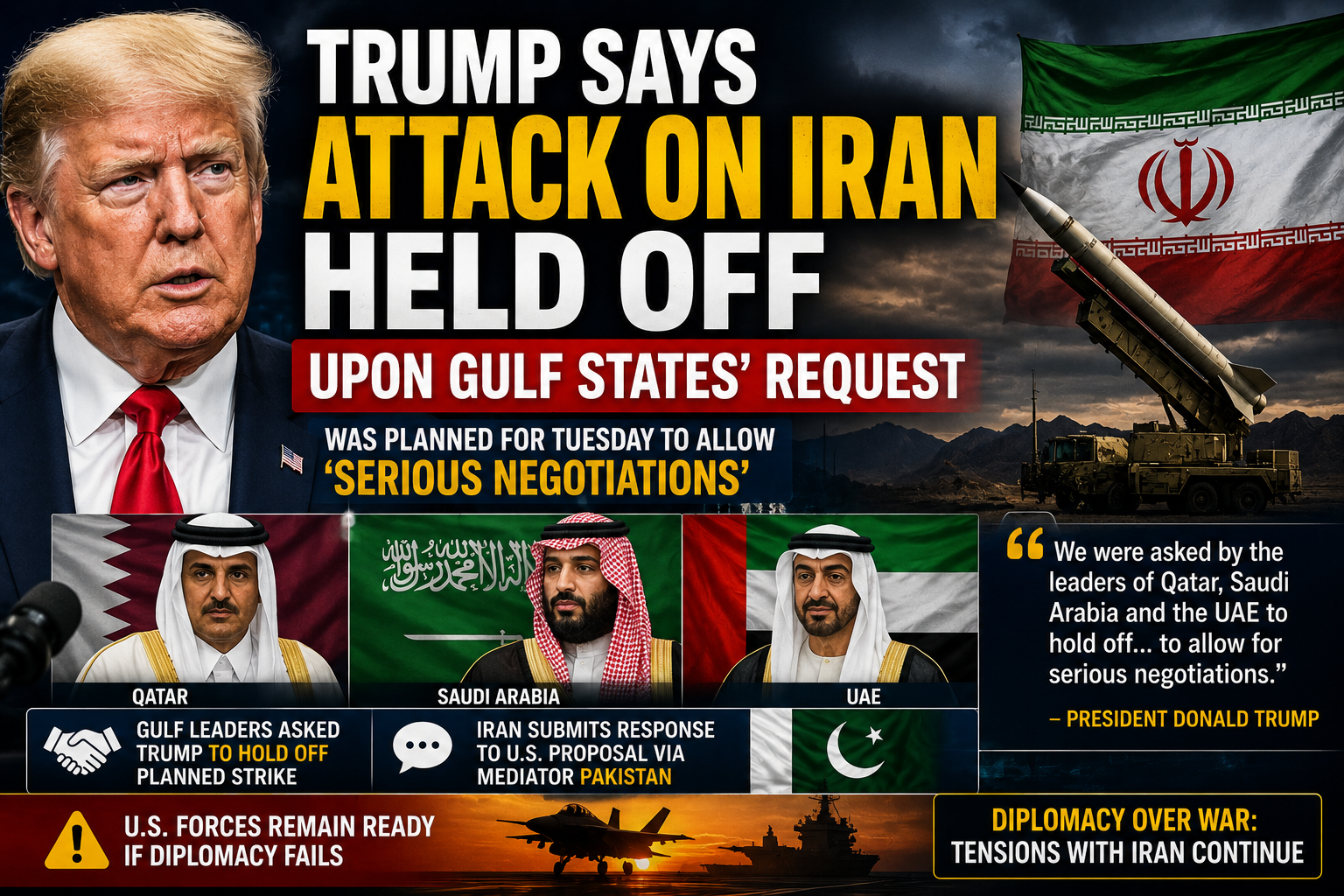
Iranian Foreign Minister Abbas Araghchi pushed fellow BRICS members to condemn U.S. and Israeli military actions, arguing the bloc should take a stronger geopolitical role.
The UAE rejected Tehran’s claims and instead called for condemnation of attacks targeting Gulf infrastructure and energy facilities.
The public disagreement highlighted the growing challenge facing BRICS as membership expands to countries with competing political and security priorities.
Why Energy Markets Are Paying Attention
The timing of the diplomatic impasse matters for global markets.
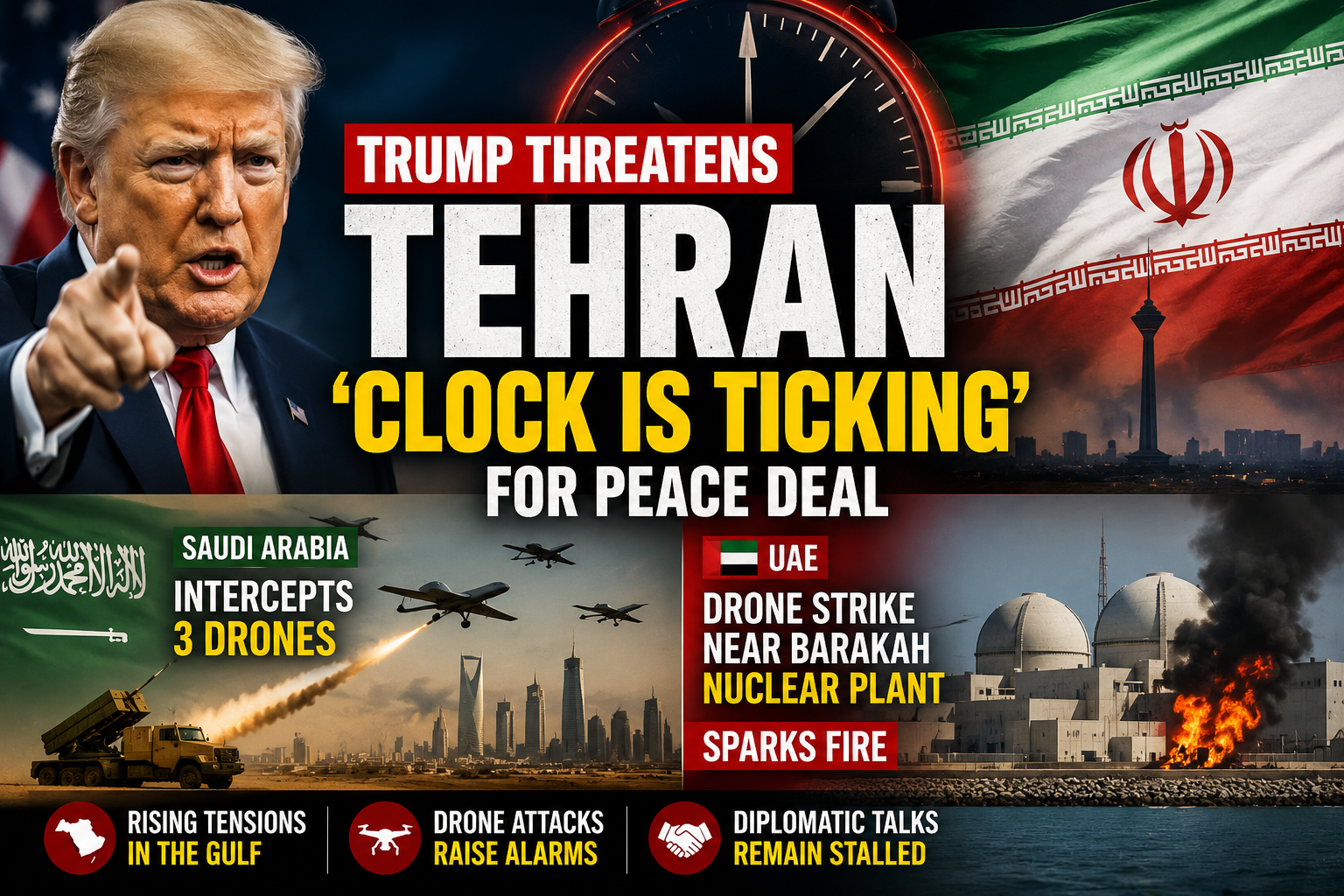
The war has disrupted stability around the Strait of Hormuz, one of the world’s most important oil shipping routes. Since the conflict escalated, concerns over supply disruptions have pushed crude prices higher, adding pressure to inflation globally.
For American consumers, higher oil prices can quickly translate into increased gasoline and transportation costs, complicating efforts to cool inflation.
Financial markets are also watching closely, as rising energy prices could influence Federal Reserve policy and reduce expectations for interest-rate cuts.
India Walks a Diplomatic Tightrope
As chair of BRICS in 2026, India attempted to balance competing interests by emphasizing diplomacy, maritime security, and stable energy flows.
Indian officials called for safe shipping routes and broader dialogue while avoiding language that blamed either side for escalating tensions.
That balancing act reflects a larger challenge for BRICS: whether an increasingly diverse alliance can maintain influence without agreement on major geopolitical crises.
Why It Matters
The failure to reach consensus raises questions about how effective BRICS can be in shaping global policy during periods of instability.
While member nations reached agreement on issues such as trade, energy cooperation, and digital infrastructure, divisions over Iran suggest geopolitical unity remains difficult.
For the United States and global markets, the biggest concern may be less about BRICS politics — and more about whether the conflict continues pushing oil prices, inflation, and economic uncertainty higher.