WASHINGTON, April 23 —
- Viral Claim: Iran allegedly demanded $11 trillion in frozen assets
- Ultimatum Timeline: Posts cite a 48-hour deadline tied to ceasefire conditions
- Verification Status: No credible confirmation from major news agencies
- Current Reality: Strait of Hormuz tensions remain elevated with intermittent disruptions
- Official Messaging: Iranian officials focus on geopolitical conflict, not specific financial demands
| Claim Element | Reported Value | Verification Status |
|---|---|---|
| Frozen Assets Demand | $11 trillion | Unverified |
| Ultimatum Deadline | 48 hours | Unverified |
| Strait Status | Disrupted/Contested | Confirmed (varies) |
Viral Statement Raises Questions
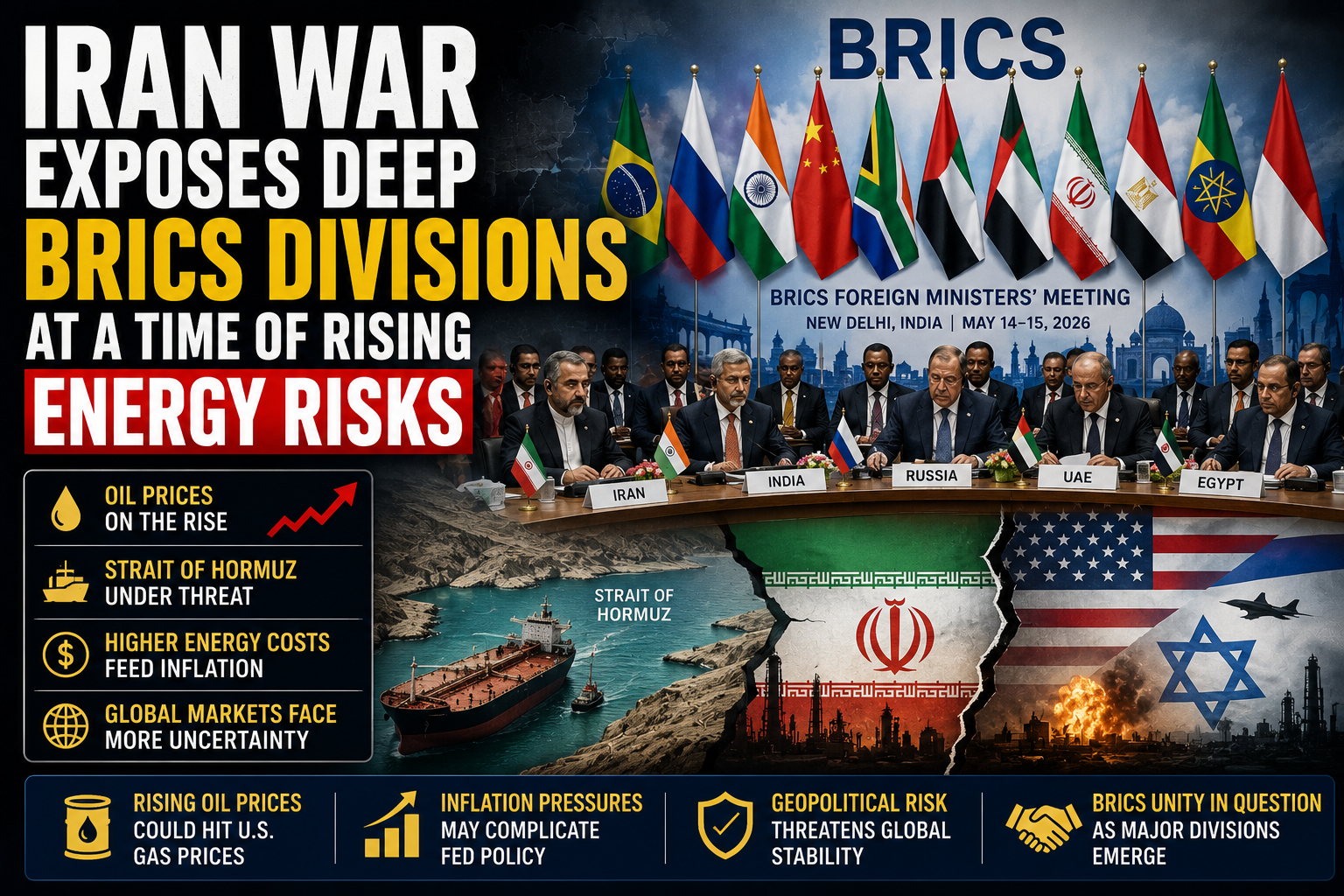
A widely shared social media post claims that Iran’s Foreign Minister Abbas Araghchi threatened to keep the Strait of Hormuz closed unless $11 trillion in frozen assets is released, alongside a 48-hour ultimatum tied to ceasefire negotiations.
However, no major international news organizations or official government channels have verified the statement.
Lack of Credible Confirmation
A review of recent reporting shows no evidence supporting the specific figures or language used in the viral claim. Statements from Iranian officials have instead centered on broader geopolitical tensions, including accusations against Western nations and warnings about escalation.
The absence of corroboration from major global outlets suggests the claim may be misrepresented or fabricated.
Ongoing Strait Tensions
The Strait of Hormuz, a critical global oil shipping route, remains a focal point of instability. Iran has previously signaled its ability to disrupt maritime traffic, and recent incidents involving vessel seizures and military activity have heightened concerns.
Still, these developments are not linked to a defined monetary demand of the scale cited in the viral posts.
Misinformation Risks in Conflict
Analysts note that unverified claims often spread rapidly during geopolitical crises, particularly when tied to high-stakes economic figures or deadlines. Such narratives can amplify uncertainty in energy markets and diplomatic channels.
Readers are advised to rely on confirmed reporting as the situation evolves.