WASHINGTON, May 12 —
- Inflation Rate: U.S. consumer inflation rose to 3.8% in April, marking a nearly three-year high.
- Main Driver: Higher gasoline costs contributed significantly to the increase in consumer prices.
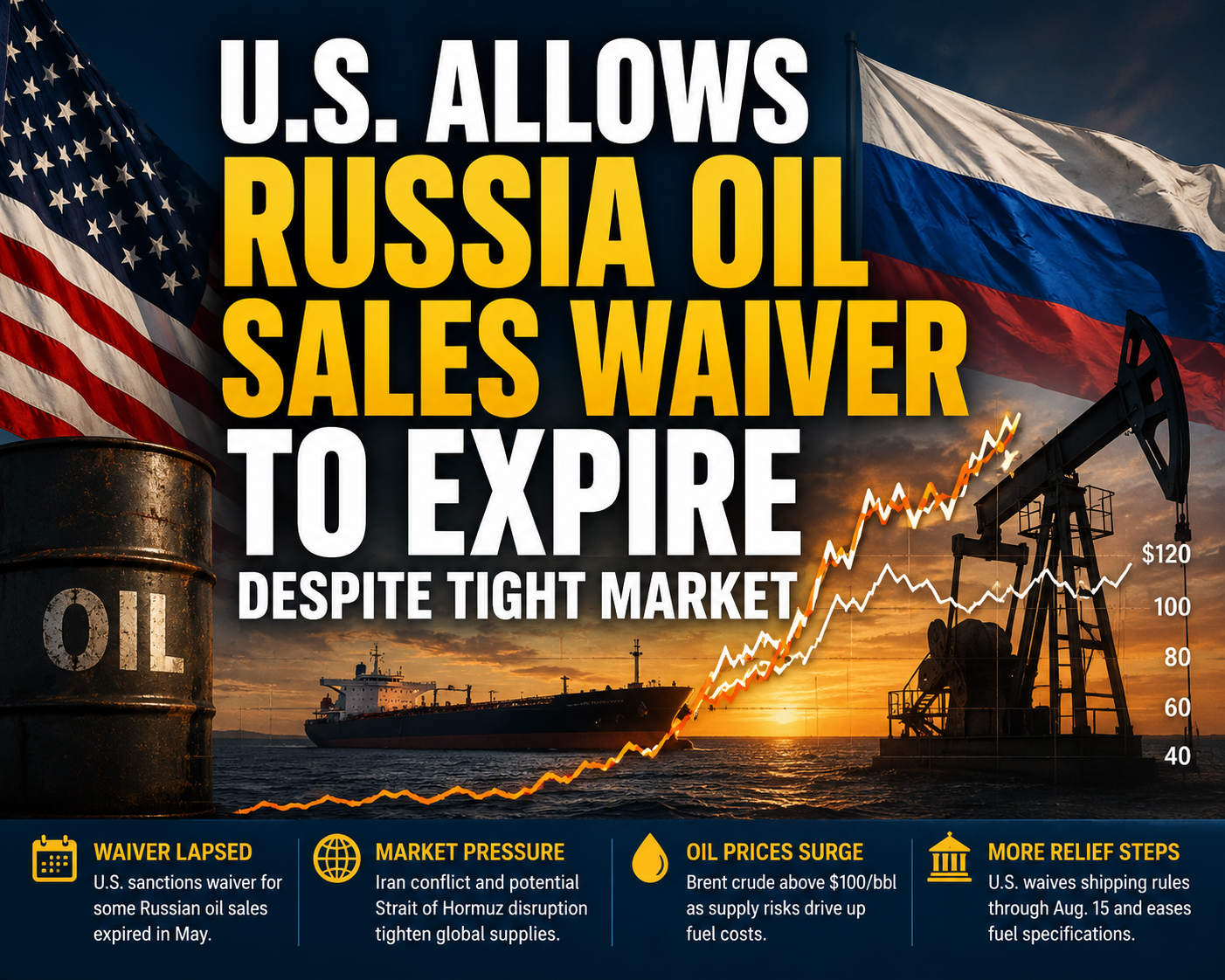
- Geopolitical Impact: Energy markets have been pressured since the Iran conflict escalated roughly six weeks ago.
- Federal Reserve: Persistent inflation may delay expected interest-rate cuts this summer.
- Labor Market: A stronger jobs market has reduced pressure on the Fed to ease monetary policy quickly.
| Metric | Value | Context |
|---|---|---|
| U.S. Inflation Rate (April) | 3.8% | Nearly three-year high |
| Time Since Iran Conflict Escalation | 6 weeks | Period tied to rising fuel prices |
| Federal Reserve Rate Cuts (Last Year) | 3 | Effort to support labor market |
Inflation Climbs as Fuel Costs Rise
U.S. inflation accelerated in April, reaching 3.8%, the highest level in nearly three years, as consumers faced rising gasoline prices linked to geopolitical instability in the Middle East.
The increase in fuel costs has added fresh pressure to household budgets and complicated efforts to bring inflation closer to the Federal Reserve’s long-term target. Energy prices have moved higher in recent weeks as markets reacted to tensions involving Iran, contributing to broader price increases across the economy.
Federal Reserve Faces Tougher Decision
The latest inflation reading may alter expectations for interest-rate policy. Investors had anticipated the possibility of a rate cut this summer, but persistently elevated inflation could prompt the Federal Reserve to wait longer before easing borrowing costs.
The central bank reduced a key benchmark rate three times last year to support economic activity and prevent unemployment from rising sharply. However, recent strength in the labor market may give policymakers more room to maintain current rates if inflation remains elevated.
Consumers Could Face Ongoing Pressure
Higher fuel costs often ripple through the broader economy by increasing transportation and production expenses, potentially keeping prices elevated for goods and services. If energy markets remain volatile, inflationary pressure may persist in the months ahead.