LONDON, April 24 —
- Brent Crude Price: Surpassed $106 per barrel
- Latest Price Level: Around $106.80 at 01:00 GMT
- Price Increase: Nearly 5% rise in two days
- Global Supply Route: Strait carries about 20% of world oil and gas
- Shipping Activity: Dropped to 9 vessels on Wednesday
- Normal Traffic: Around 129 daily transits before escalation
- Market Impact: S&P 500 down 0.41%, Nasdaq down 0.89%
| Metric | Value | Context |
|---|---|---|
| Brent Crude Price | $106.80 | Early trading April 24 |
| Price Change | +5% | Two-day increase |
| Strait Share of Global Supply | 20% | Oil and gas flows |
| Ships Transiting (Wed) | 9 | During escalation |
| Ships Transiting (Mon Avg) | 129 | Pre-conflict average |
| S&P 500 Change | -0.41% | Market reaction |
| Nasdaq Change | -0.89% | Tech sector decline |
Oil Prices Spike on Supply Fears
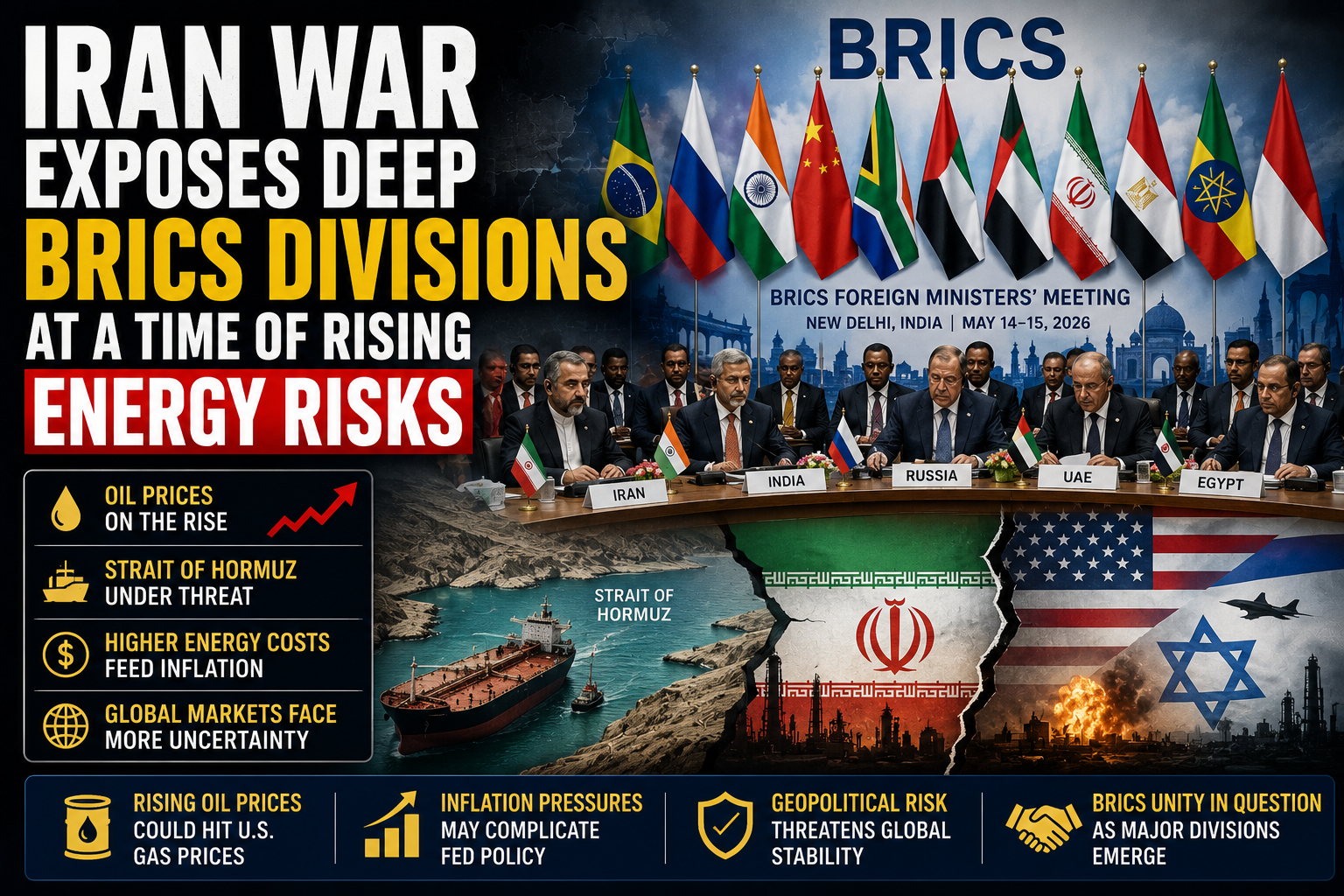
Global oil prices surged above $106 per barrel as tensions between the United States and Iran intensified in the Strait of Hormuz, a vital corridor for energy shipments.
The price jump reflects growing concern that disruptions in the waterway could significantly constrain global supply.
Shipping Disruptions Deepen الأزمة
Traffic through the strait has slowed dramatically amid military posturing and vessel seizures. Only a handful of ships passed through in recent days, far below typical levels.
The waterway normally handles roughly one-fifth of the world’s oil and natural gas flows, making it one of the most strategically important chokepoints in global trade.
Escalation Between Washington and Tehran
The latest spike follows a series of retaliatory actions, including the seizure of commercial vessels and expanded naval restrictions.
U.S. President Donald Trump signaled a tougher stance, indicating that ships may require approval from the U.S. Navy to transit the strait. He also warned of military action against Iranian operations in the area.
Iran, meanwhile, has asserted its own authority over passage, further complicating navigation and increasing the risk of confrontation.
Markets React to Rising Risk
Equity markets declined as investors weighed the potential economic fallout. Analysts say prolonged disruption could lead to higher fuel costs, supply chain strain, and broader inflationary pressure.
The sharp drop in shipping volumes underscores the severity of the standoff and its immediate impact on global energy logistics.