NEW YORK, May 20 —
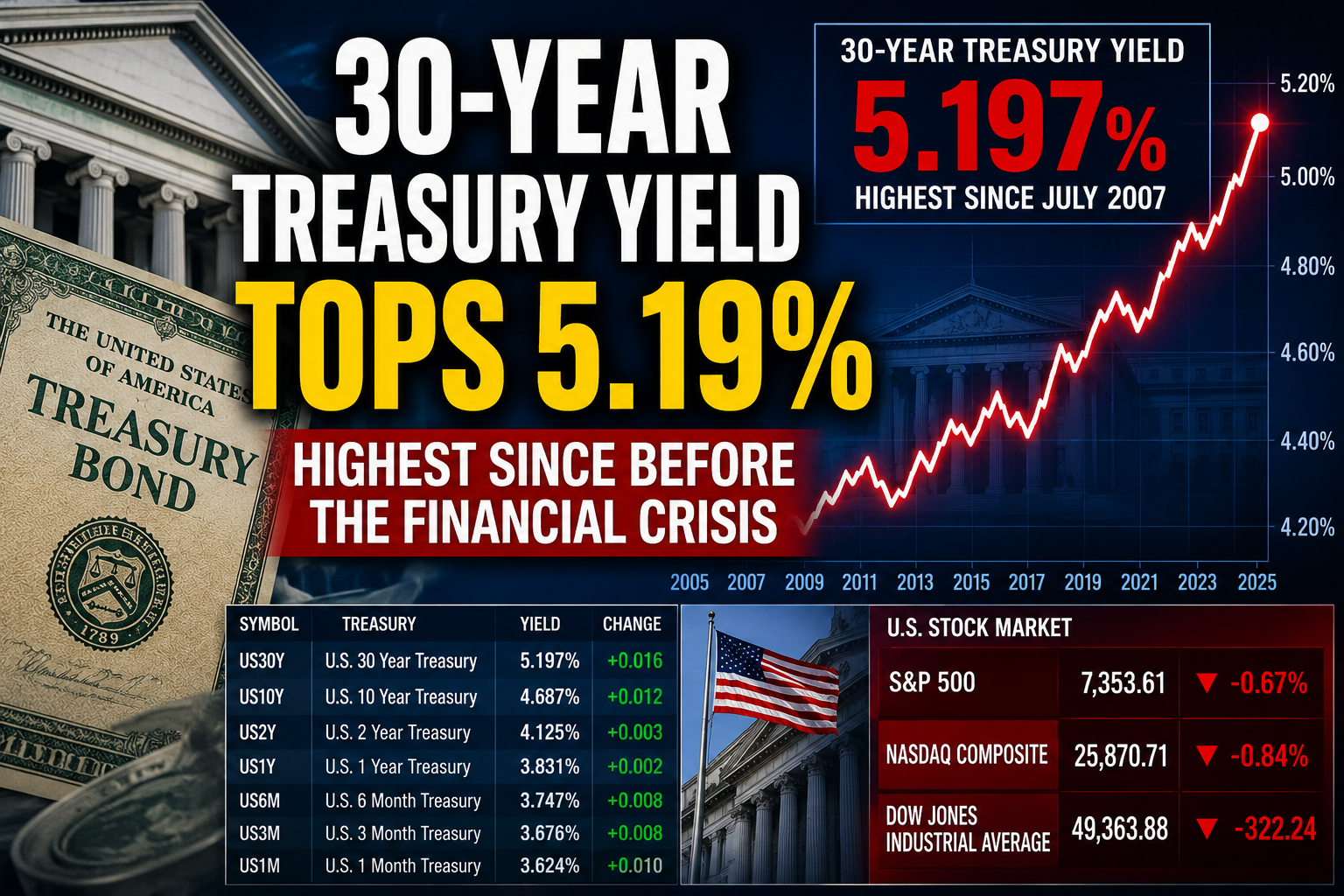
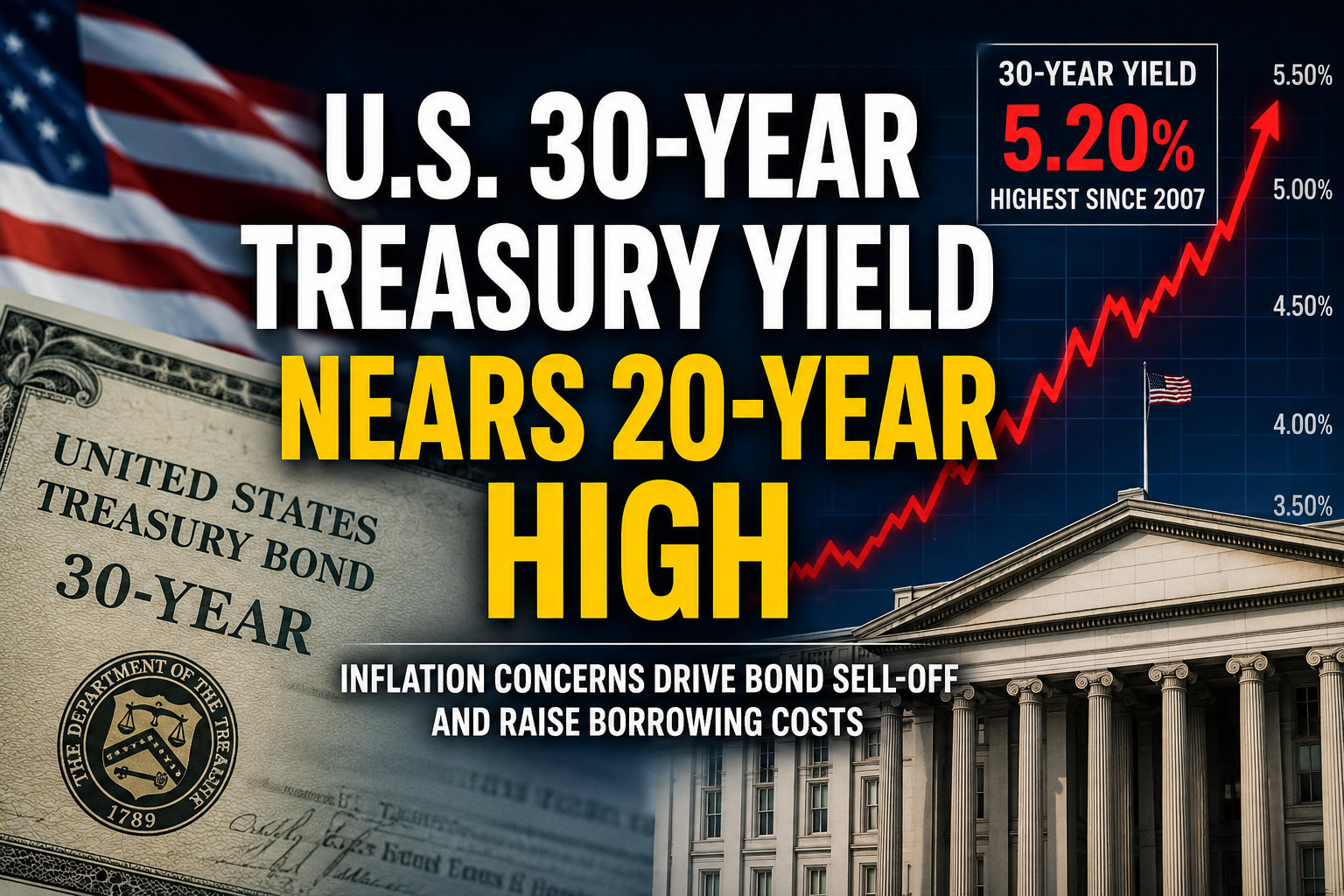
- 30-Year Yield: The U.S. 30-year Treasury yield rose to about 5.2%, its highest level since 2007.
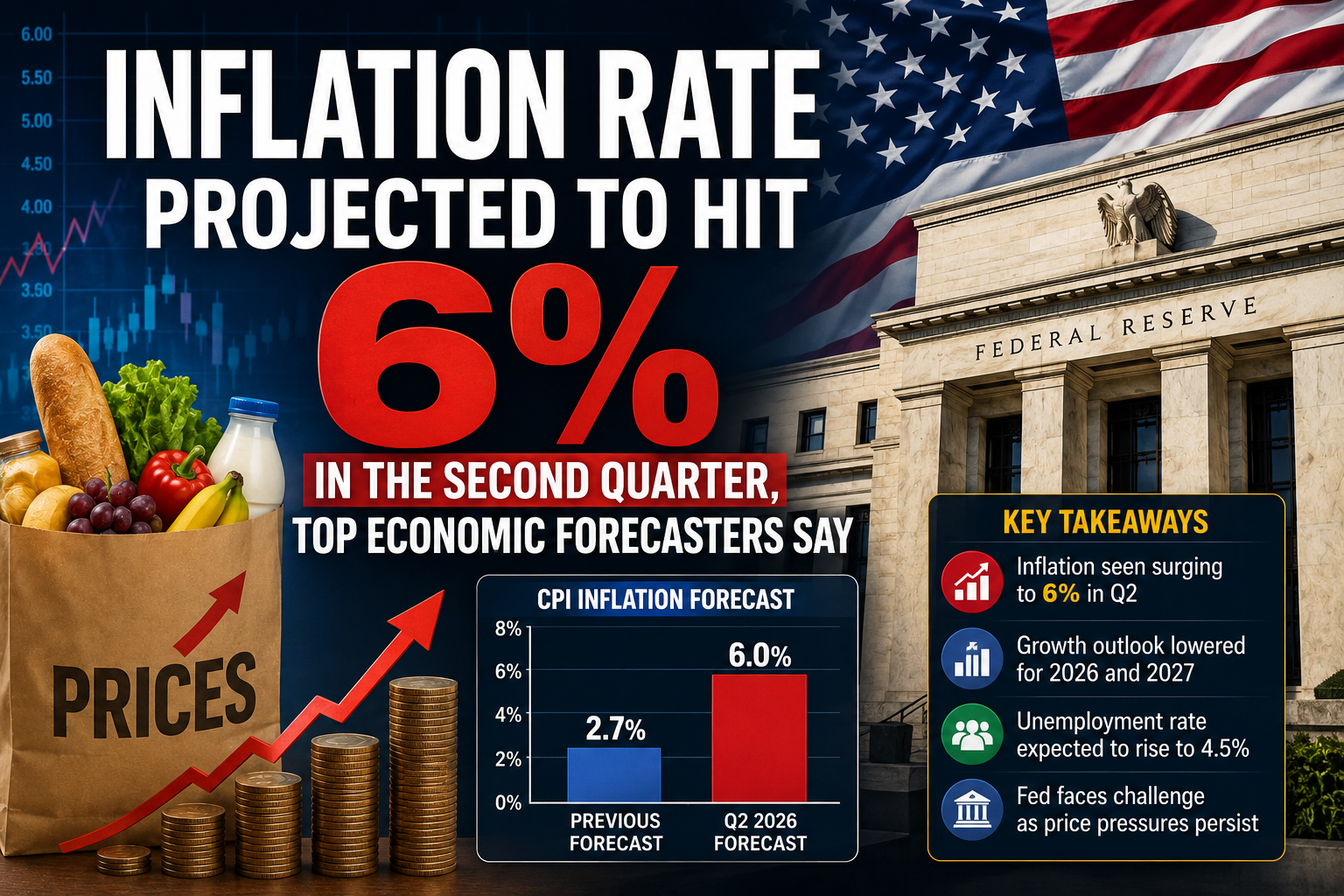
- Inflation Pressure: Investors sold bonds as inflation concerns increased following higher energy and transportation costs linked to the Iran conflict.
- Market Impact: Rising yields contributed to pressure on U.S. equities, particularly growth-oriented companies sensitive to borrowing costs.
- Consumer Effect: Mortgage rates are more closely tied to the 10-year Treasury note, limiting the immediate impact on households.
- Government Costs: Higher long-term yields may raise borrowing expenses for governments, potentially affecting taxpayers.
| Metric | Value | Context |
|---|---|---|
| 30-Year Treasury Yield | 5.2% | Highest level since 2007 |
| Previous Comparable High | 2007 | Nearly 20-year peak |
| Typical Mortgage Holding Period | 6–7 years | Why mortgages track 10-year yields |
| Key Mortgage Benchmark | 10-Year Treasury | Primary pricing reference |
Why Treasury Yields Are Rising
The yield on the U.S. 30-year Treasury bond climbed to roughly 5.2% on May 19, reaching its highest level in nearly two decades. Bond yields move inversely to prices, meaning investors have been selling long-term government debt as inflation concerns intensify.
Rising prices for energy and transported goods have contributed to worries that inflation could remain elevated, reducing the attractiveness of fixed-income investments that pay set returns over time.
What It Means for Consumers
The jump in the 30-year Treasury yield does not immediately translate into higher costs for most households. According to market economists, mortgage rates are typically linked more closely to the 10-year Treasury yield, while products such as credit cards depend more on short-term interest rates.
That means consumers may not see a direct impact from the latest surge in long-term bond yields, though borrowing conditions could tighten if elevated rates persist.
Pressure on Stocks and Government Borrowing
Higher Treasury yields can weigh on stock markets because companies, particularly fast-growing firms, face increased financing costs. U.S. equities have recently faced pressure as borrowing becomes more expensive.
Governments may also feel the impact. Higher yields mean federal, state, and local governments could pay more to issue debt, potentially increasing costs borne by taxpayers.
What Investors Are Watching
Some analysts expect pension funds and other long-term investors to become more interested in long-duration Treasurys if yields remain elevated, allowing them to secure higher returns for future obligations.
A shift into bonds could also pull money away from stocks as institutional investors rebalance portfolios.