FRANKFURT, May 19 —
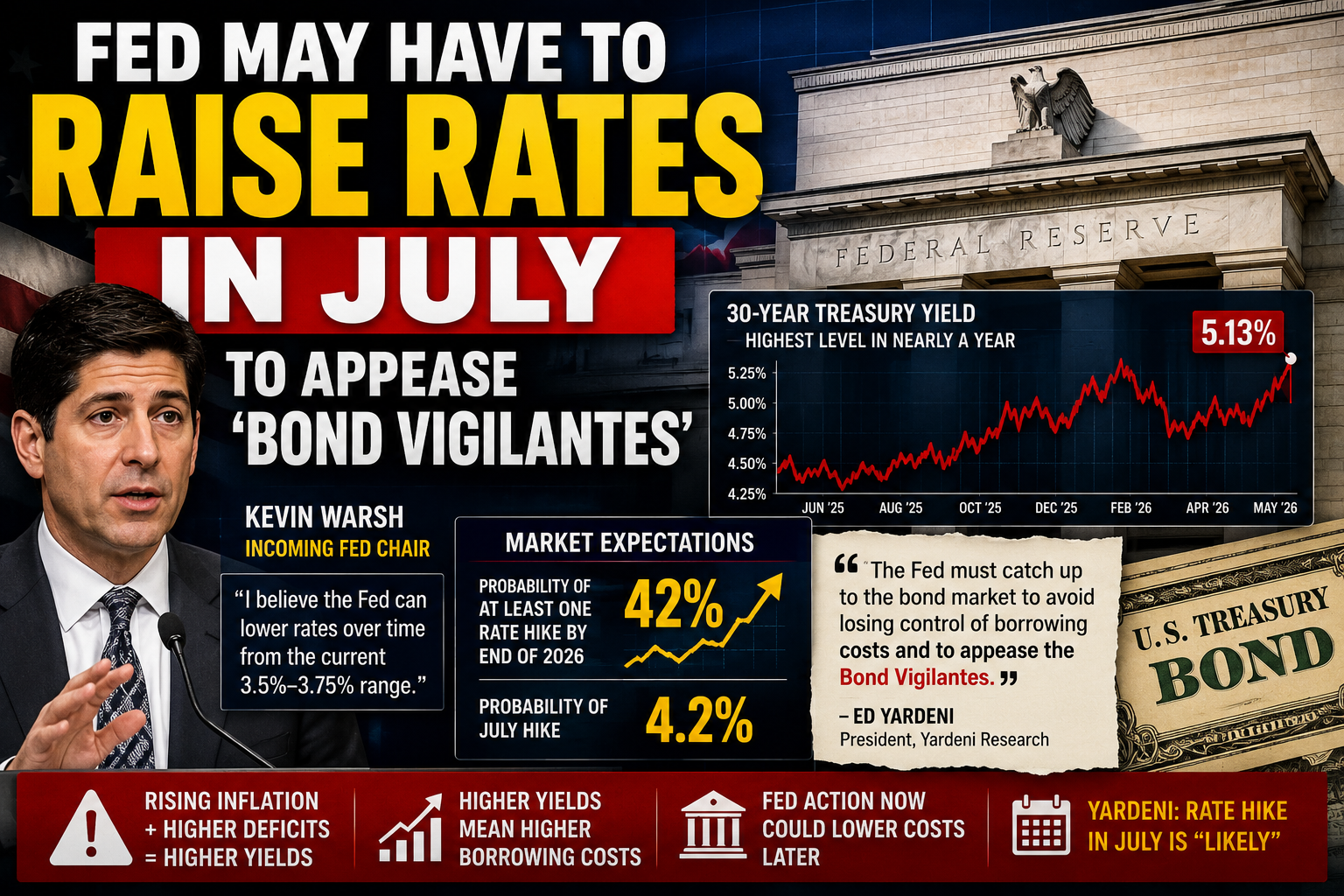
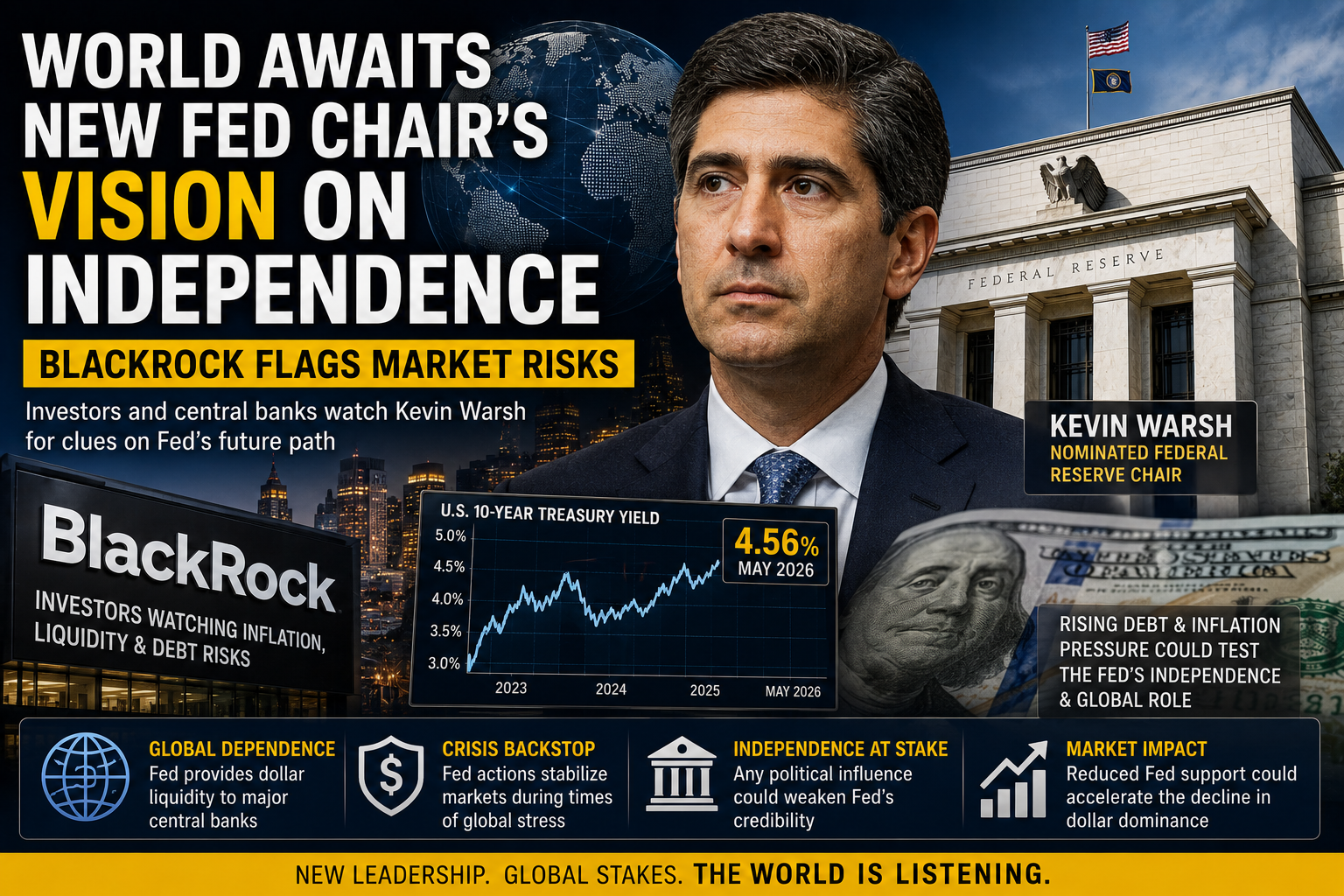
- Fed Leadership Change: Kevin Warsh is set to become the next chair of the Federal Reserve.
- Independence Questions: Warsh’s comments on the Fed’s role beyond monetary policy have unsettled global central banks.
- Dollar Liquidity Risk: Policymakers fear reduced Fed support during crises could destabilize global markets.
- BlackRock Focus: Large institutional investors, including BlackRock, are closely monitoring inflation and liquidity conditions.
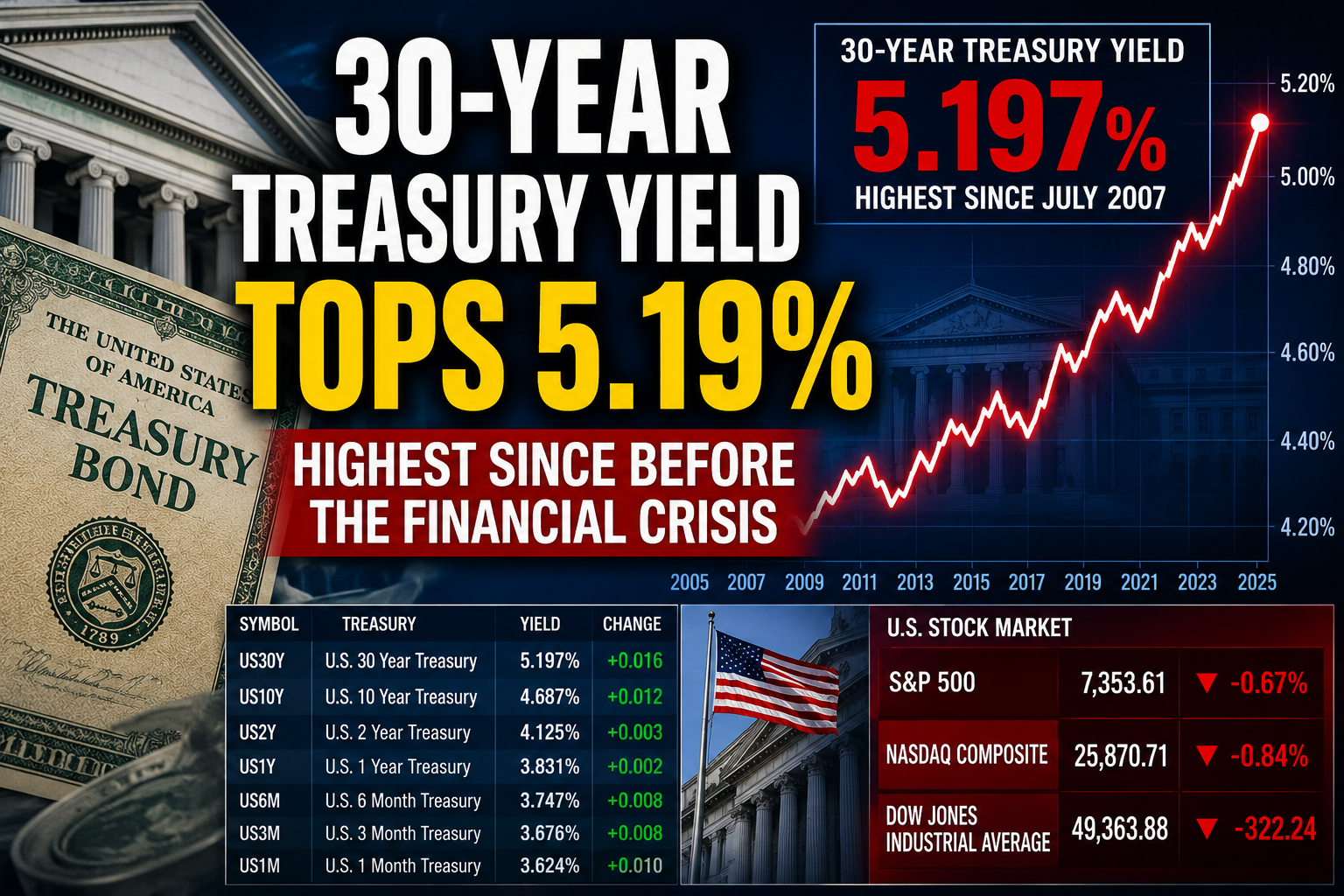
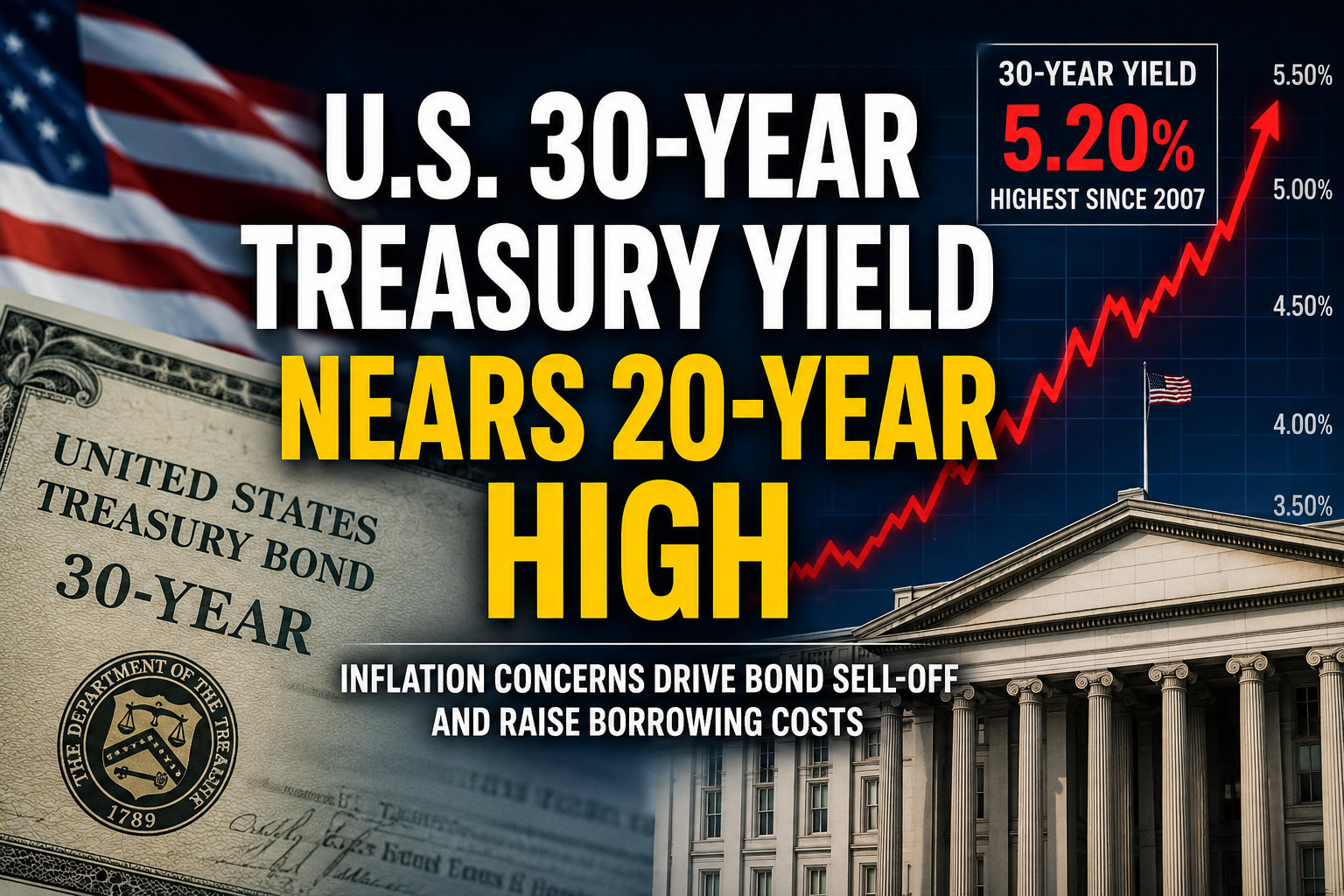
- Debt Concerns: Rising U.S. deficits and elevated Treasury yields are increasing pressure on monetary policy.
- Global Impact: Any change in Fed crisis support could accelerate moves away from the U.S. dollar.
| Metric | Value | Context |
|---|---|---|
| Fed Chair transition | Kevin Warsh | Incoming leadership |
| Fed liquidity partners | 5 major central banks | Standing dollar facilities |
| U.S. debt level | Above 100% of GDP | Fiscal pressure |
| Key concern | Fed independence | Crisis response |
| Major institutional focus | Inflation & liquidity | Investor concern |
Global Markets Await Signals From Warsh
Global policymakers and financial markets are closely watching incoming Federal Reserve Chair Kevin Warsh for signs of how he intends to approach central bank independence and financial stability.
Warsh’s recent comments suggesting the Fed’s crisis-fighting role may require closer coordination with the White House and Congress have unsettled some central banking peers, who worry political influence could affect emergency market interventions. :contentReference[oaicite:0]{index=0}
The concern centers on whether the Fed would continue acting quickly to stabilize dollar funding markets during global financial stress, a role it has played repeatedly since the 2008 financial crisis. :contentReference[oaicite:1]{index=1}
Why the World Depends on the Fed
Because the U.S. dollar remains the dominant global reserve currency, the Federal Reserve acts as a key lender of last resort during crises.
The Fed currently provides dollar liquidity to several major central banks, including those in Europe, Japan, Britain, Canada, and Switzerland, helping prevent disruptions in global financial markets. A reduced commitment could intensify volatility and weaken confidence in dollar funding systems. :contentReference[oaicite:2]{index=2}
Analysts warn even uncertainty about future liquidity support could drive turbulence in bond markets and accelerate efforts by some countries to reduce dependence on the dollar.
BlackRock and Investors Watch Inflation Risks
Institutional investors are also paying close attention.
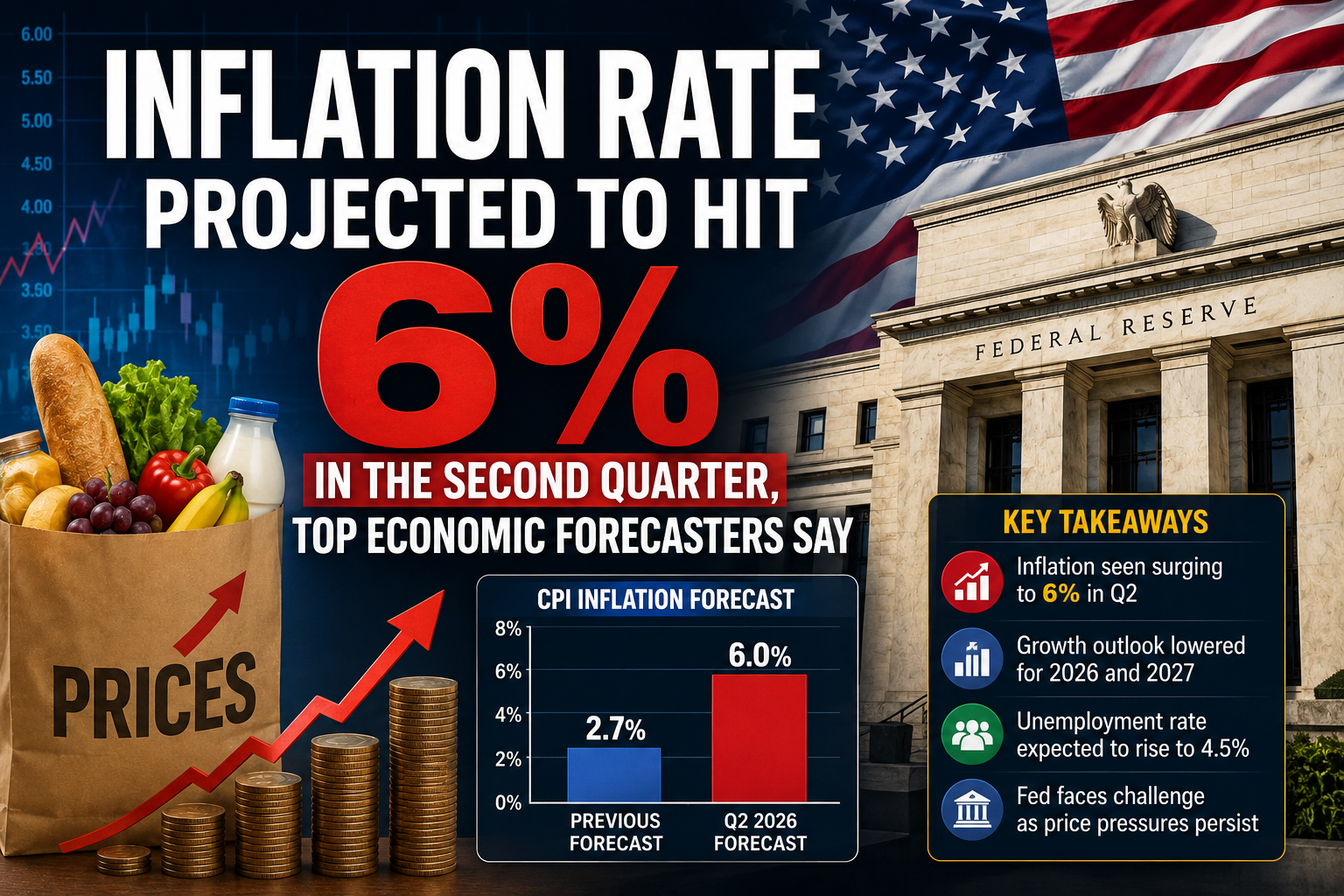
Major firms such as BlackRock have increasingly emphasized risks tied to inflation, rising public debt, and higher Treasury yields, all of which could complicate the Fed’s policy decisions under new leadership.
Market participants are looking for signals on whether Warsh will prioritize tighter monetary policy to maintain credibility or pursue a more politically aligned path on rates and balance sheet management.
Fed Veteran Seen as Unlikely Revolutionary
Despite concerns, many economists believe Warsh is unlikely to radically alter the Fed’s structure.
As a former Fed governor during the 2008 financial crisis, Warsh is widely viewed as familiar with the importance of maintaining financial stability and preserving emergency liquidity tools.
Still, with geopolitical tensions, elevated inflation, and rising debt burdens weighing on markets, investors say his early messaging could shape global expectations for years.