WASHINGTON, April 9 —
- Policy Decision: The Federal Reserve voted 11–1 to keep the federal funds rate between 3.5% and 3.75%.
- Rate Outlook: Most policymakers still expect one rate cut in 2026, unchanged from projections in December.
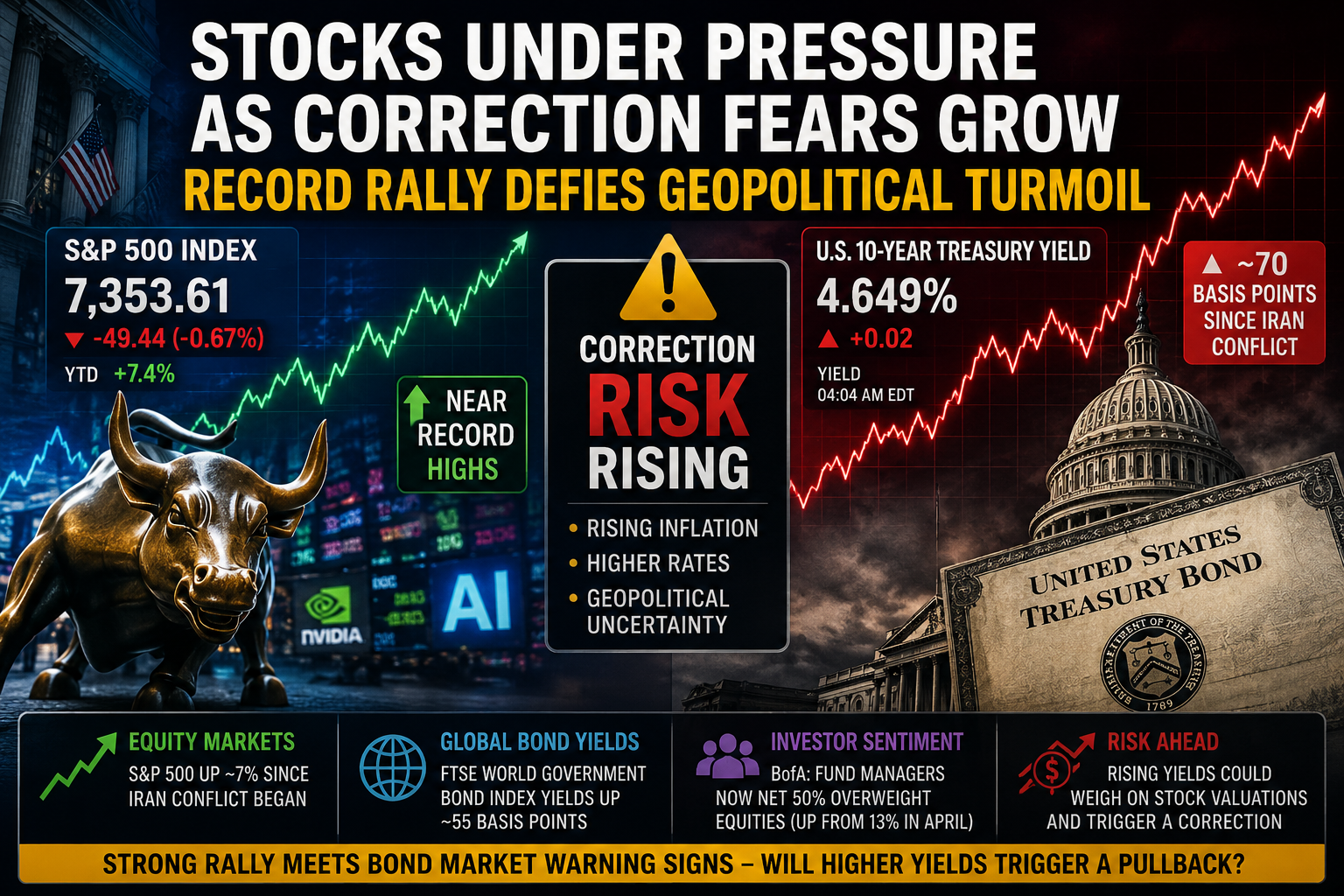
- War Impact: Officials warned the Iran conflict could push energy prices higher, affecting inflation and consumer spending.
- Labor Market Risk: Policymakers said weak job growth could require additional rate cuts if conditions deteriorate.
- Inflation Target: The Fed continues aiming for 2% inflation, though prices remain above that level.
Fed signals cautious path on rates
Federal Reserve officials indicated they still expect to lower interest rates later this year despite uncertainty caused by geopolitical tensions and tariffs, according to minutes from the central bank’s March policy meeting.
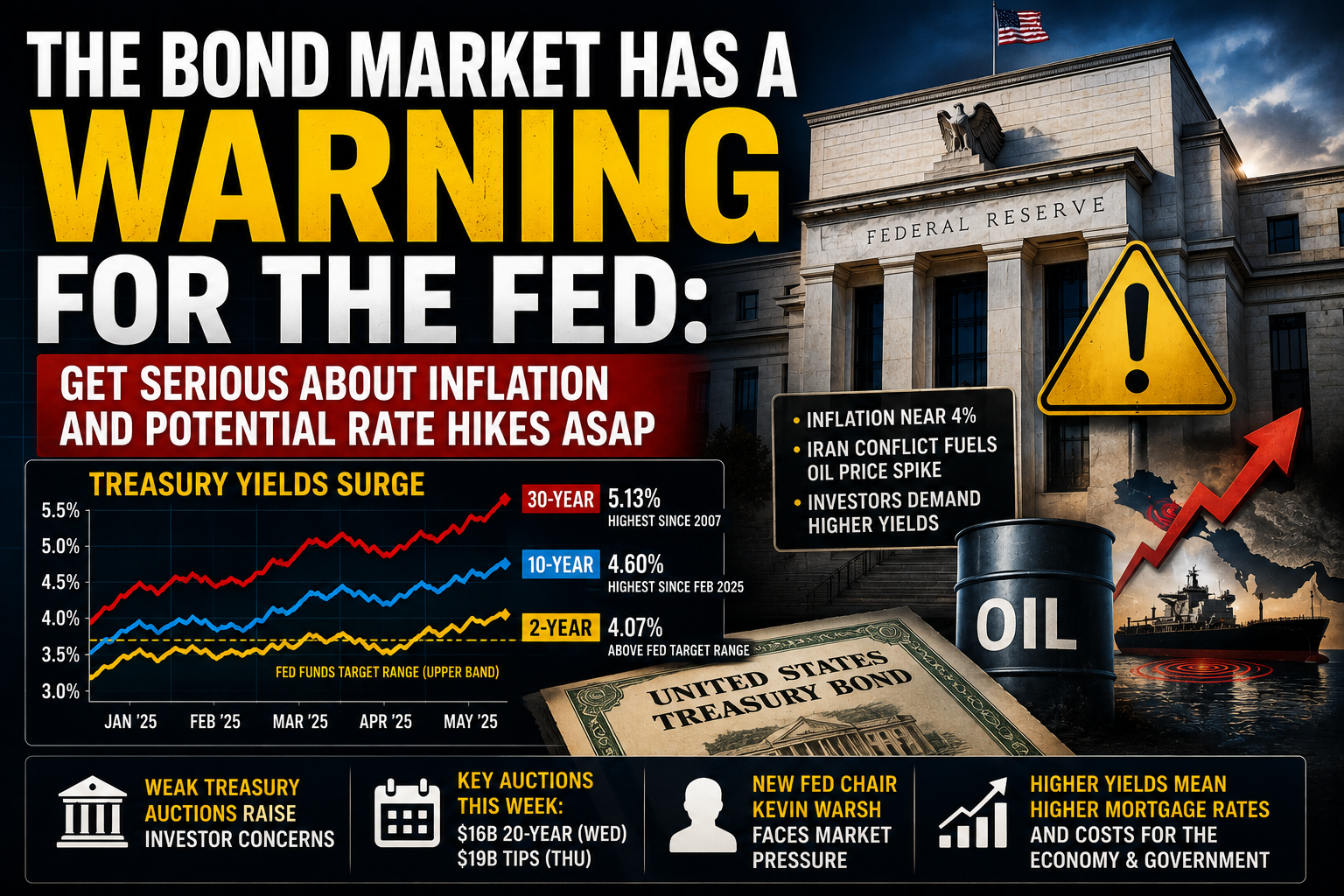
The Federal Open Market Committee voted 11–1 to keep its benchmark borrowing rate in a range between 3.5% and 3.75%, while monitoring the economic fallout from the conflict in the Middle East.
Oil prices and inflation remain key concerns
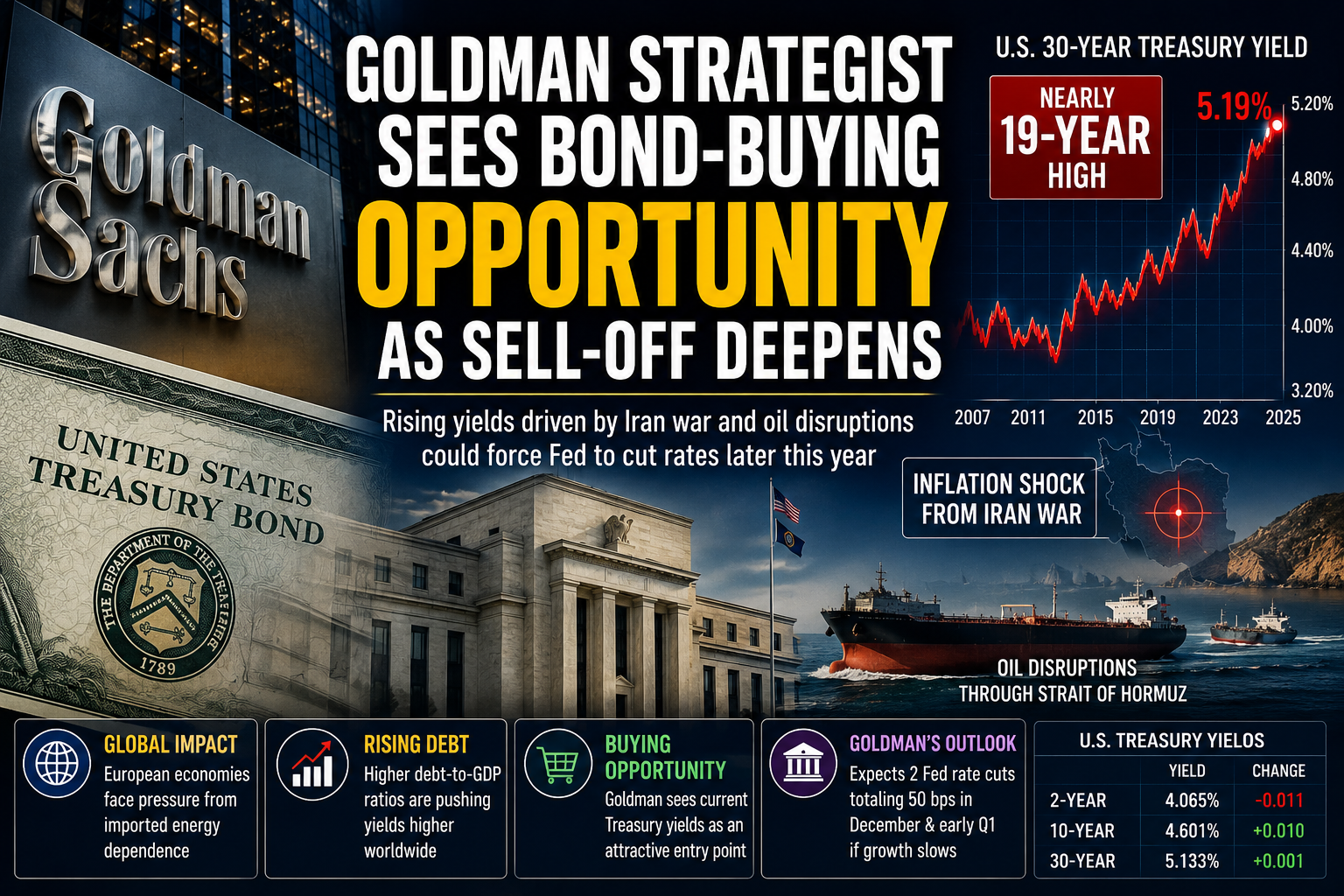
Policymakers said rising energy costs linked to the Iran conflict could weigh on household spending and slow economic growth. Higher oil prices may also complicate efforts to bring inflation back toward the Fed’s 2% target.
Officials noted that geopolitical tensions could affect global growth and tighten financial conditions if energy markets remain volatile.
Labor market vulnerabilities
The Fed also expressed concern about the strength of the labor market. Job growth has slowed and has been concentrated largely in healthcare-related sectors, raising questions about broader economic momentum.
Several policymakers warned that weak hiring could leave the economy vulnerable to shocks.
Markets watching for timing
Financial markets broadly expect the central bank to keep rates steady in the near term. However, traders have begun raising the probability of a rate cut later this year following recent economic data and easing oil prices after a ceasefire announcement in the Middle East.
Fed Chair Jerome Powell has previously cautioned that raising rates preemptively to counter inflation could have longer-term economic costs due to the delayed impact of monetary policy.